
Is Flatiron flooding right now?
Checking live flood alerts and sewer overflow conditions…
Flatiron Flood Exposure · NYC DEP Combined Sewer Area NCM-087
Flatiron, Manhattan - NCM-087
Properties in this area share the NCM-087 combined sewer — during moderate-to-heavy rain, runoff can exceed pipe capacity faster than it drains, which is what drives sewer backup exposure block by block. Here’s what that looks like for Flatiron, Manhattan specifically.
NCM-087 is a combined sewer area covering 123 properties in Flatiron, Manhattan. Flood Form rates 20% of them Moderate or High for stormwater, 24% for sewer backup, and 81% for groundwater. None rate that high for coastal flooding. 26% of lots have yard area that legally qualifies for on-site infiltration. The ground is fairly level here, typically about 39 ft. The median building dates to 1902. 8% of parcels sit over a historic stream or pond. According to NYC DEP green infrastructure records, this sewershed drains to East River / Open Waters. NYC DEP has built 1 green infrastructure asset here. NYC DEP models about 5 combined sewer overflows a year at its outfall.
See where your property stands
Flood exposure in Flatiron (NCM-087)
The share of properties Flood Form rates Moderate or High for each type of flooding, on the same Minimal to High scale as an individual report.
20%
Stormwater exposure: Moderate or High
24%
Sewer Backup exposure: Moderate or High
81%
Groundwater exposure: Moderate or High
0%
Coastal exposure: Moderate or High
What sets Flatiron (NCM-087) apart
The three figures on which NCM-087 differs most from the rest of NYC’s combined sewer areas.
100%
Average impervious cover per lot
The highest of NYC's combined sewer areas. More paved and built-over ground, so more rain becomes runoff.
81%
Properties with Moderate or High groundwater exposure
Higher than 98% of NYC's combined sewer areas. A shallow water table sits under more lots here.
26%
Legally eligible for on-site infiltration
Lower than 96% of NYC's combined sewer areas. Few yards can legally infiltrate, so holding runoff matters more.
Stats computed from Flood Form’s NYC parcel data as of October 14, 2026
Common solutions for Flatiron properties
The measures that most often suit conditions in NCM-087. An individual Flood Form picks the exact set for one lot. See all flood prevention solutions.
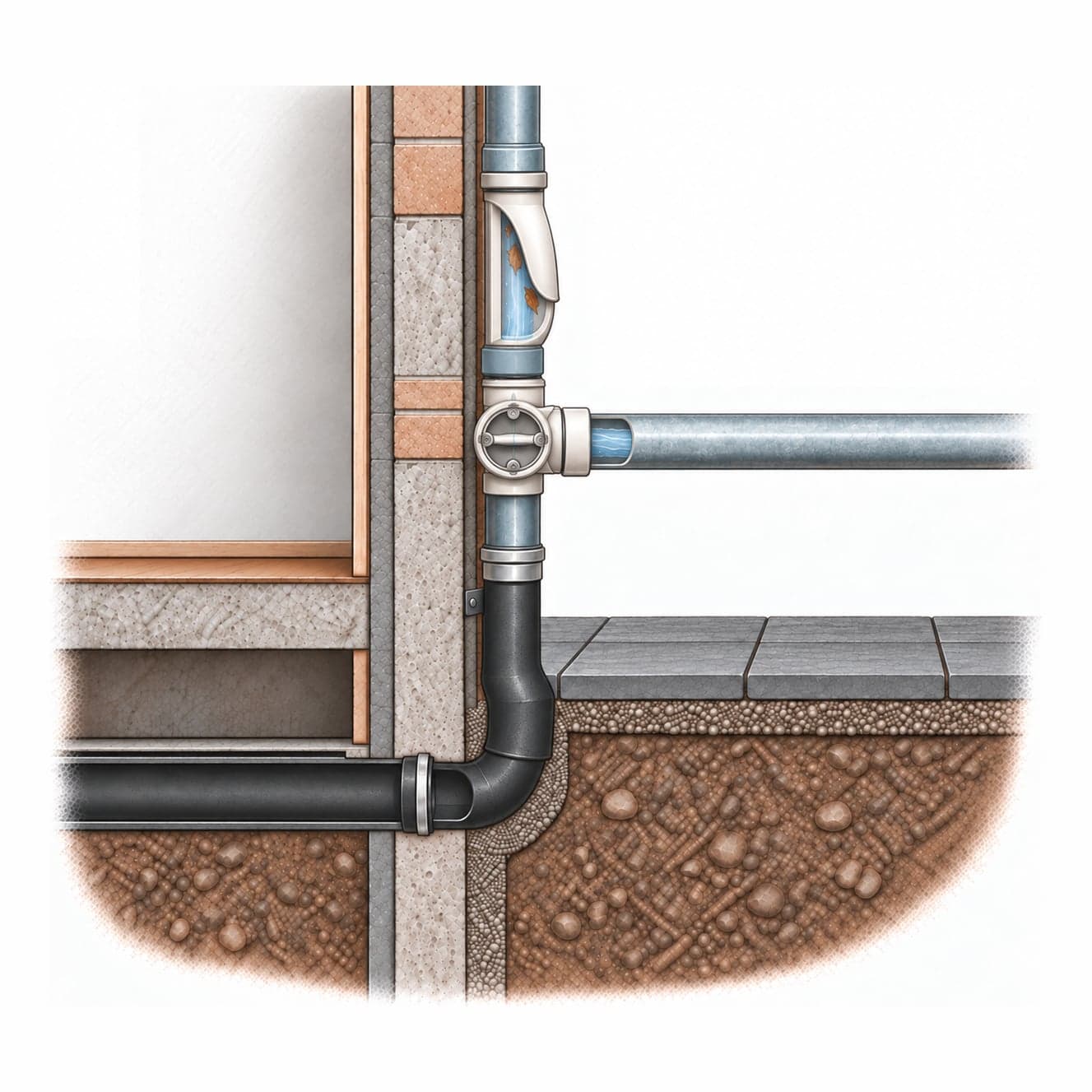
Downspout Diversion
Redirect roof downspouts away from the sewer system toward permeable yard areas, planters, or a rain barrel.
Complexity: Low · 1–4 weeks
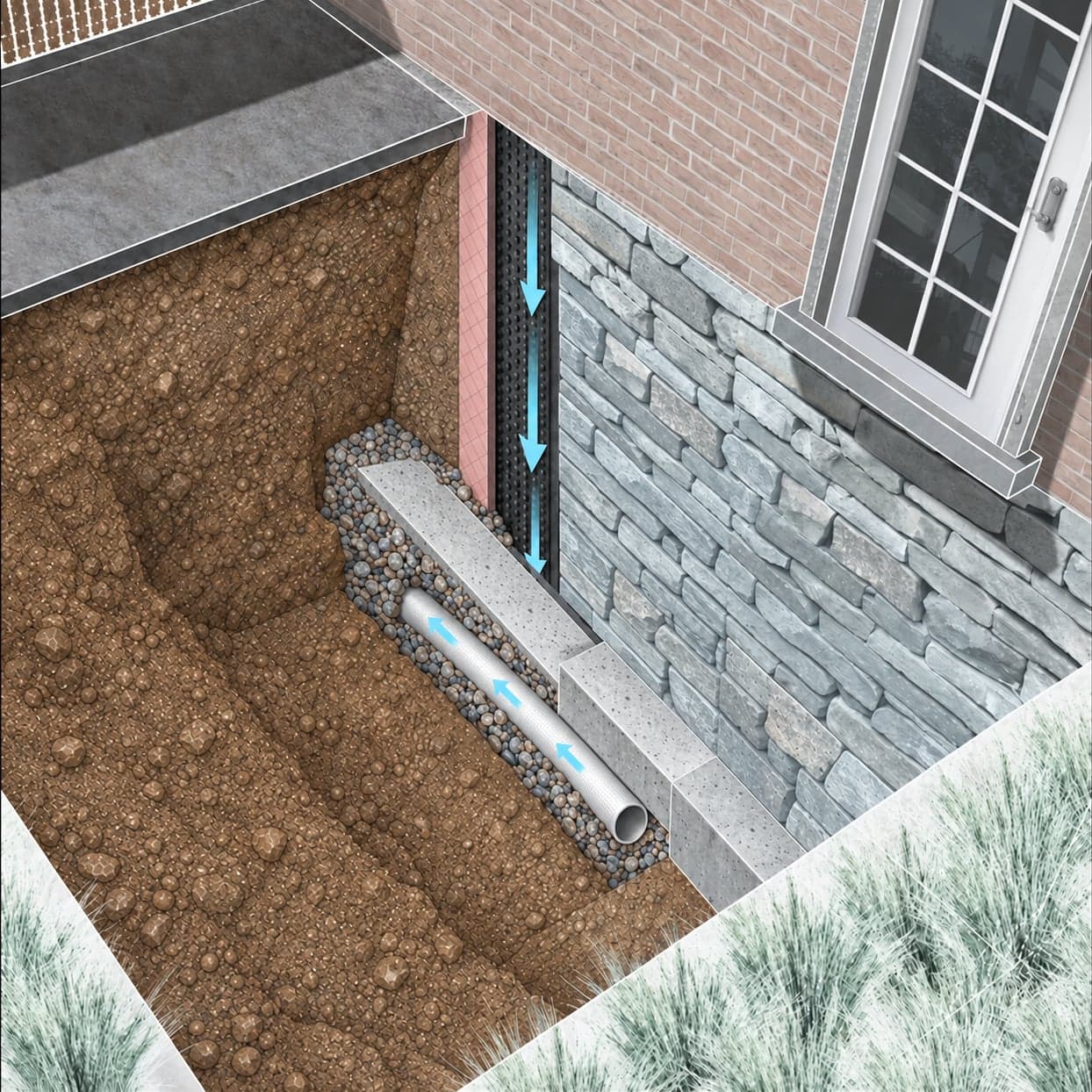
Foundation Waterproofing
Exterior membrane waterproofing, interior footing drains, or crystalline waterproofing compounds address hydrostatic pressure against the foundation, depending on construction type.
Complexity: High · 3–6 months
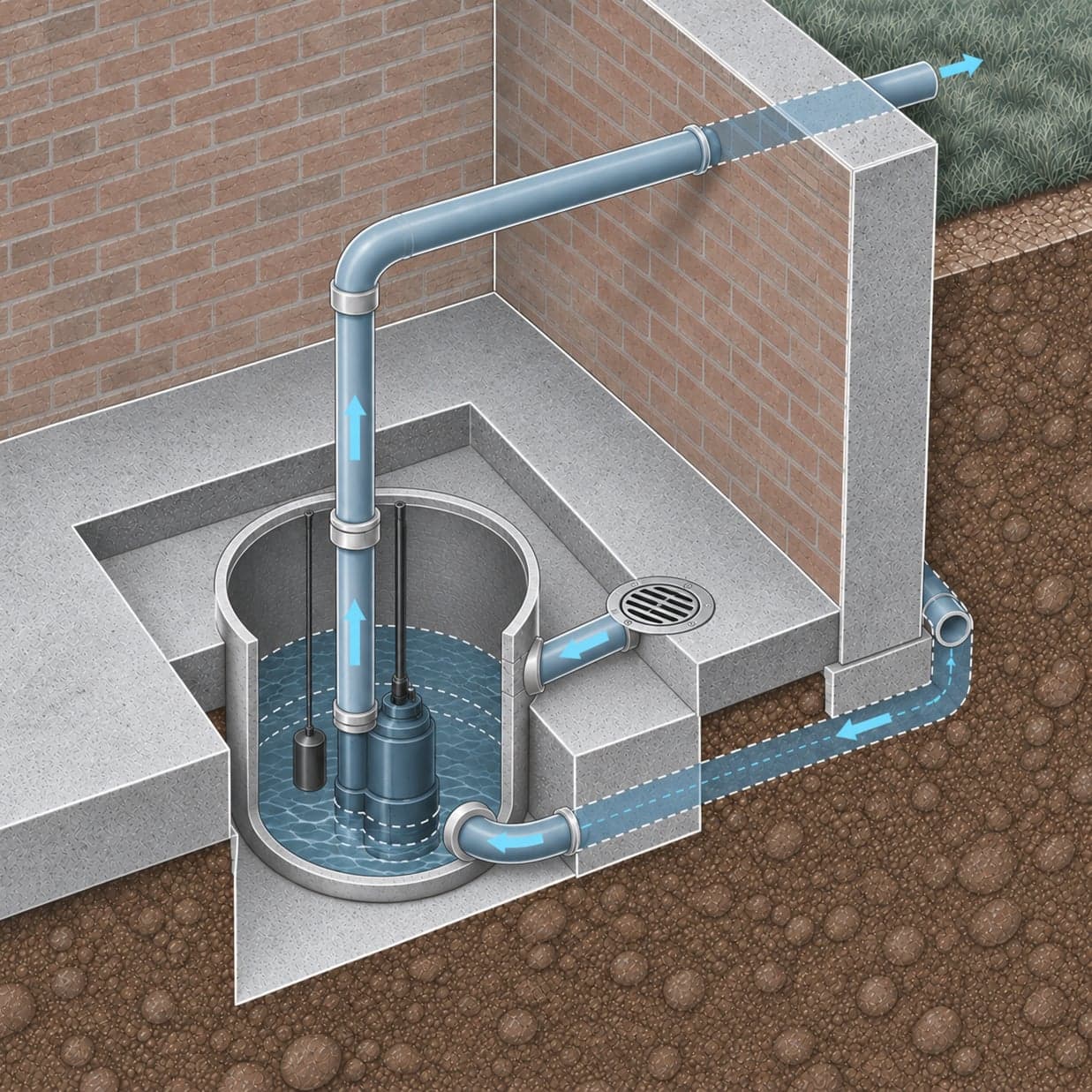
Sump Pump
A sump pump with battery backup actively removes water that accumulates in below-grade spaces during groundwater rise or sewer surcharge events.
Complexity: Low · 1–4 weeks
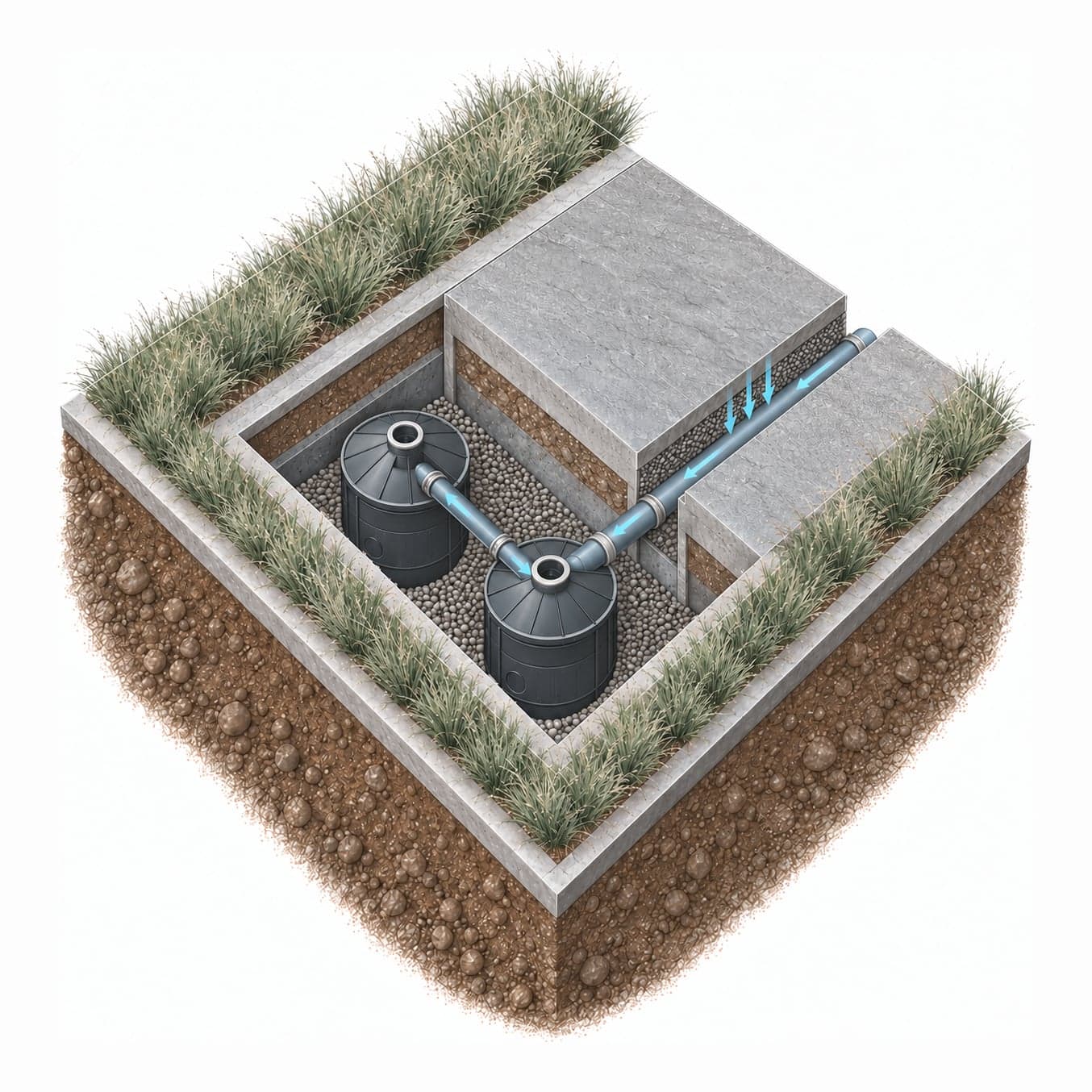
Modular Drywell System
An NDS Flo-Well modular drywell system lets water soak into the ground on-site.
Complexity: Moderate · 1–3 weeks
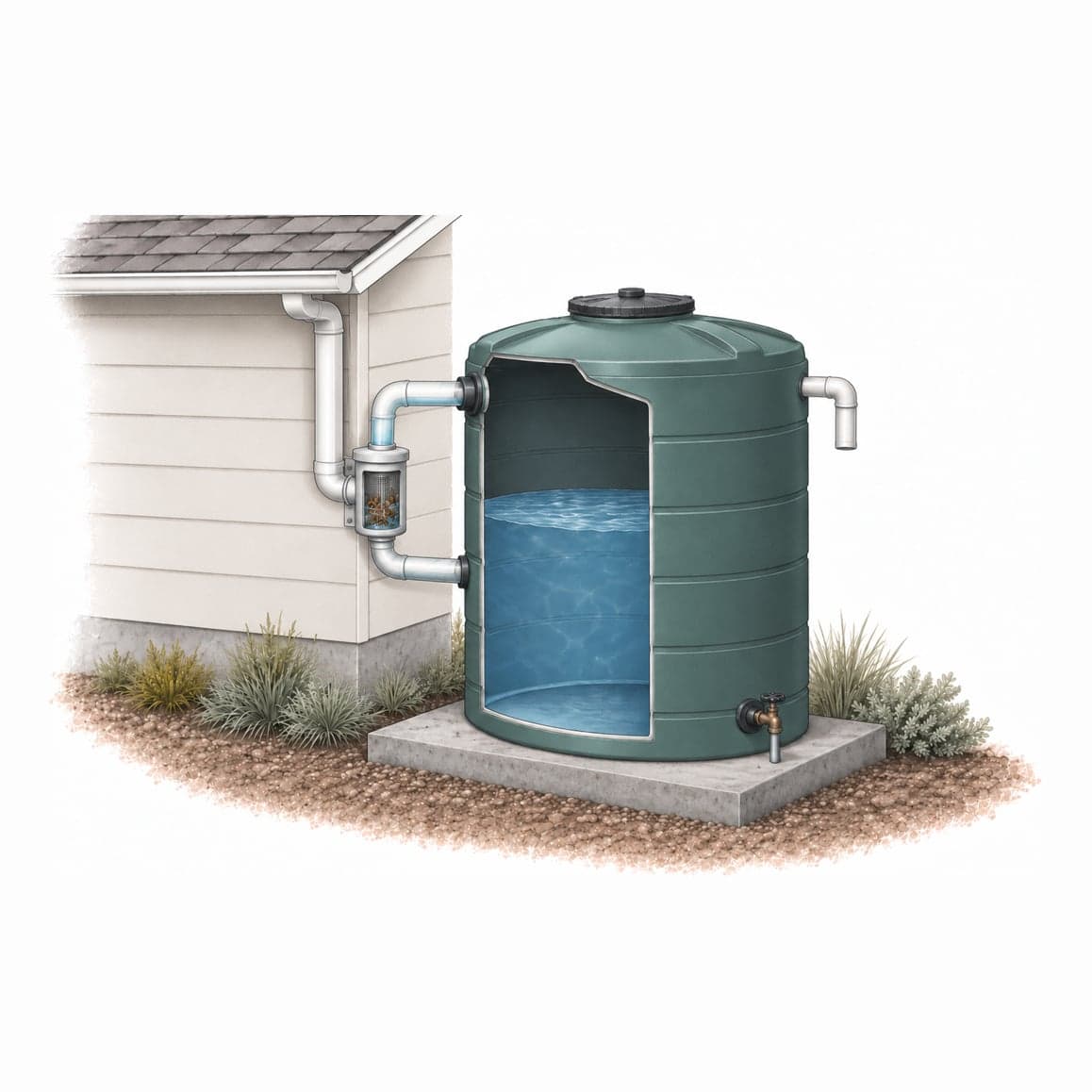
Detention System
A detention cistern or underground storage tank temporarily holds stormwater runoff and releases it slowly after storm peaks subside.
Complexity: High · 3–6 months
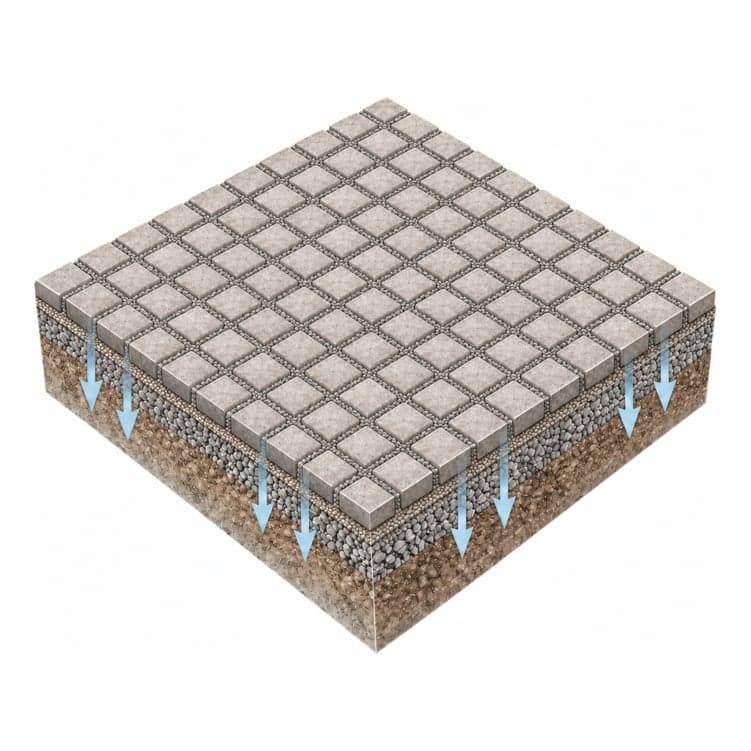
Increase Permeable Area
On-site interventions include permeable paving for driveways and walkways, removing concrete from yard areas, and adding planted beds — reducing impervious coverage that limits the neighborhood's collective capacity to absorb rain.
Complexity: Low · Ongoing
Which of these fit your lot?
Your Flood Form rates your property’s exposure and recommends the measures suited to it.
Questions about flooding in Flatiron (NCM-087)
What is the NCM-087 sewershed in Flatiron?
NCM-087 is the part of Flatiron, Manhattan whose combined sewer leads to NYC DEP outfall NCM-087. Its 123 properties share that pipe for both rain and wastewater, so a heavy storm anywhere in the area uses up capacity for every block in it. When the pipe is over capacity, the overflow discharges to East River / Open Waters.
Which Flatiron sewershed has the most sewer backups?
Flatiron is split across two sewersheds. NCM-087 has the most sewer backup reports of the two: 98 in every 1,000 lots over the last 10 years. NR-023 has 70. This page covers NCM-087, and its map outlines the blocks it includes.
How exposed to flooding is Flatiron (NCM-087)?
The most widespread exposure in NCM-087 is groundwater: Flood Form rates 81% of properties Moderate or High for it. The share is 20% for stormwater and 24% for sewer backup. These figures describe the whole area, and exposure varies lot by lot within it.
Can properties in Flatiron (NCM-087) manage stormwater on site?
26% of lots in NCM-087 have yard area that legally qualifies for on-site infiltration, such as a drywell or rain garden. A lot without that room can still hold runoff with a detention tank or a blue roof.
Is Flatiron flooding right now?
The live check at the top of this page shows whether flooding is likely in Flatiron now. It combines National Weather Service flood alerts for Manhattan, NYC DEP's modeled combined sewer overflow advisories, and the past three hours of rain. Most NYC sewers are designed for about 1.75 inches of rain an hour, so a heavy downpour can flood streets and basements on low blocks before any alert goes out. Report street flooding or a sewer backup to 311, and call 911 if anyone is in danger.
Nearby neighborhoods and sewersheds
- NR-023Flatiron883 properties · 62% with Moderate or High stormwater exposure
- NCM-046Gramercy149 properties · 83% with Moderate or High stormwater exposure
- NCM-049Gramercy760 properties · 53% with Moderate or High stormwater exposure
- NCM-045Midtown South483 properties · 55% with Moderate or High stormwater exposure
- NCM-041Murray Hill765 properties · 46% with Moderate or High stormwater exposure
- NR-049Chelsea260 properties · 36% with Moderate or High stormwater exposure