
Is Brooklyn Heights flooding right now?
Checking live flood alerts and sewer overflow conditions…
Brooklyn Heights Flood Exposure · NYC DEP Combined Sewer Area RH-011
Brooklyn Heights, Brooklyn - RH-011
Properties in this area share the RH-011 combined sewer — during moderate-to-heavy rain, runoff can exceed pipe capacity faster than it drains, which is what drives sewer backup exposure block by block. Here’s what that looks like for Brooklyn Heights, Brooklyn specifically.
RH-011 is a combined sewer area covering 298 properties in Brooklyn Heights, Brooklyn. Flood Form rates 29% of them Moderate or High for stormwater, 9% for sewer backup, 10% for groundwater, and 2% for coastal flooding. 81% of lots have yard area that legally qualifies for on-site infiltration. The ground slopes gently down toward the southwest, from about 88 ft to 53 ft, so runoff from higher blocks drains toward lower ones. The median building dates to 1879. 27% of parcels sit over a historic stream or pond. NYC DEP models about 18 combined sewer overflows a year at its outfall.
See where your property stands
Flood exposure in Brooklyn Heights (RH-011)
The share of properties Flood Form rates Moderate or High for each type of flooding, on the same Minimal to High scale as an individual report.
29%
Stormwater exposure: Moderate or High
9%
Sewer Backup exposure: Moderate or High
10%
Groundwater exposure: Moderate or High
2%
Coastal exposure: Moderate or High
What sets Brooklyn Heights (RH-011) apart
The three figures on which RH-011 differs most from the rest of NYC’s combined sewer areas.
1879
Median year built
Older than 97% of NYC's combined sewer areas. Buildings of this age tend to have aging drains and sewer connections.
78 ft
Median ground elevation
Higher than 89% of NYC's combined sewer areas. High ground, where runoff drains away downhill.
75%
Average impervious cover per lot
Lower than 86% of NYC's combined sewer areas. More open ground to absorb rain.
Stats computed from Flood Form’s NYC parcel data as of October 14, 2026
The worst corner in Brooklyn Heights
Montague Street & Hicks Street
Of the 4 four-way intersections Flood Form compared in RH-011, the 10 lots within 50 meters of this one carry the highest average compound flood exposure: a score of 9.0, against 4.0 across the sewershed.
Moderate
Compound exposure
Moderate
Stormwater exposure
Moderate
Sewer Backup exposure
Minimal
Groundwater exposure
Minimal
Coastal exposure
Ratings are for the average lot near the corner, on the same Minimal to High scale as a report
Common solutions for Brooklyn Heights properties
The measures that most often suit conditions in RH-011. An individual Flood Form picks the exact set for one lot. See all flood prevention solutions.
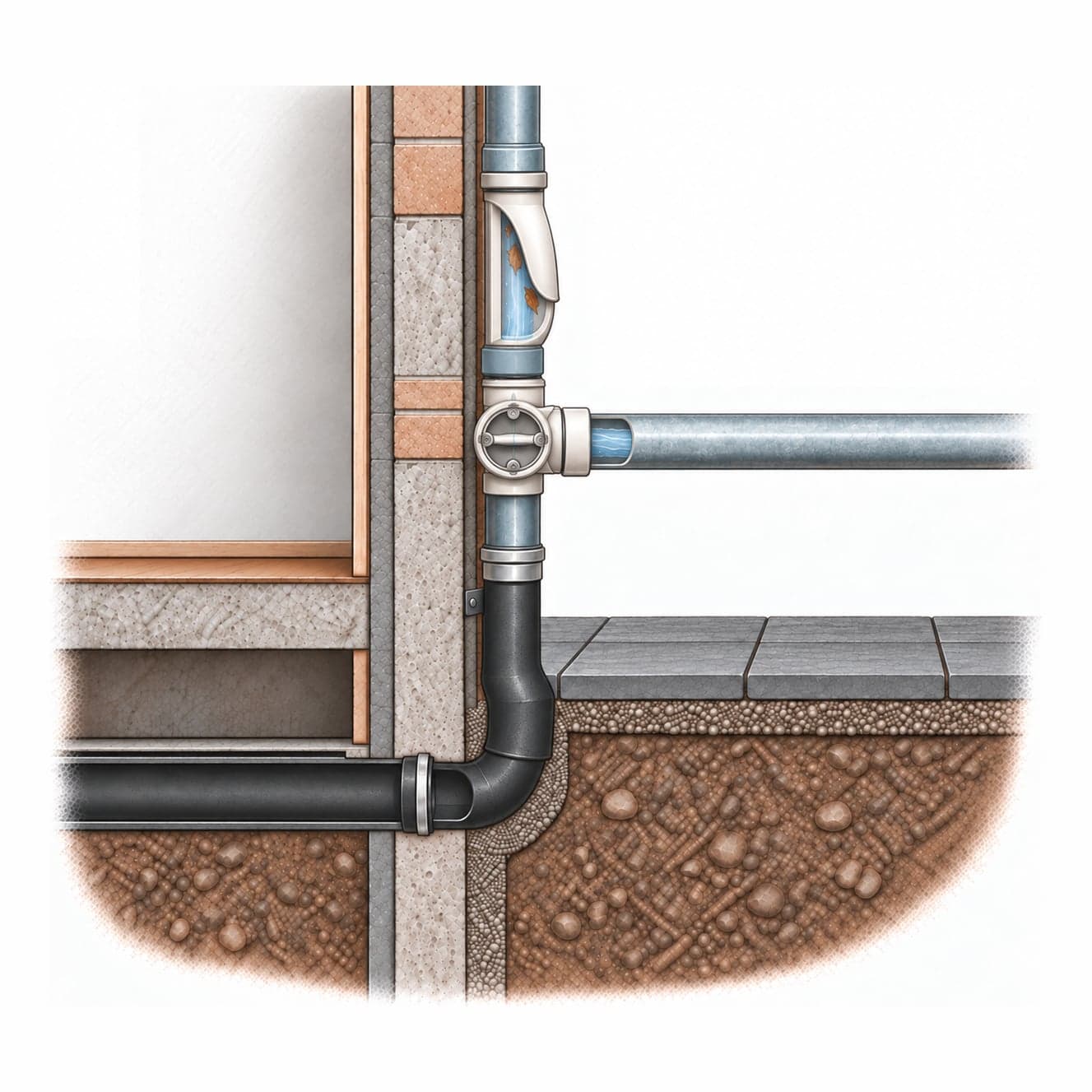
Downspout Diversion
Redirect roof downspouts away from the sewer system toward permeable yard areas, planters, or a rain barrel.
Complexity: Low · 1–4 weeks
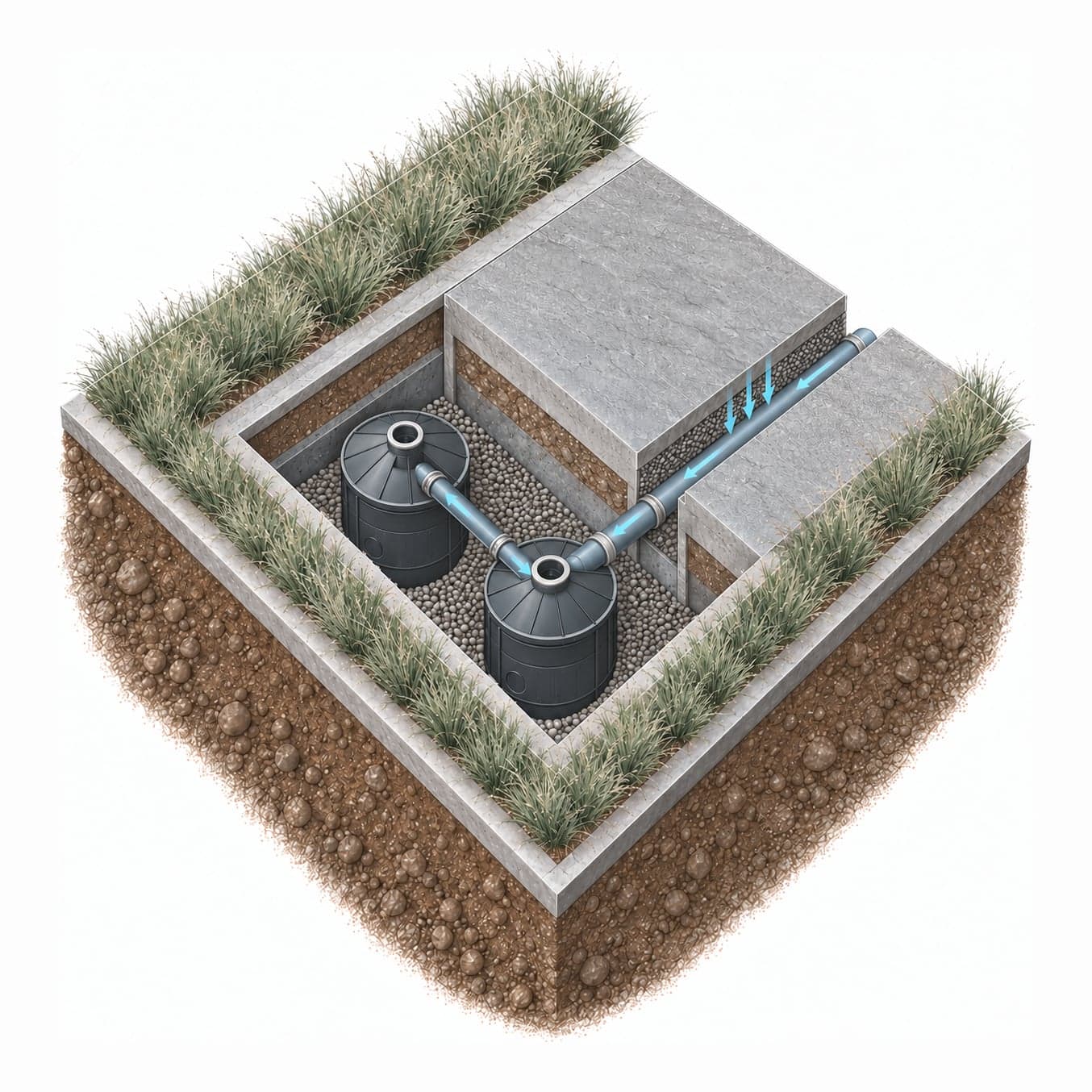
Modular Drywell System
An NDS Flo-Well modular drywell system lets water soak into the ground on-site.
Complexity: Moderate · 1–3 weeks
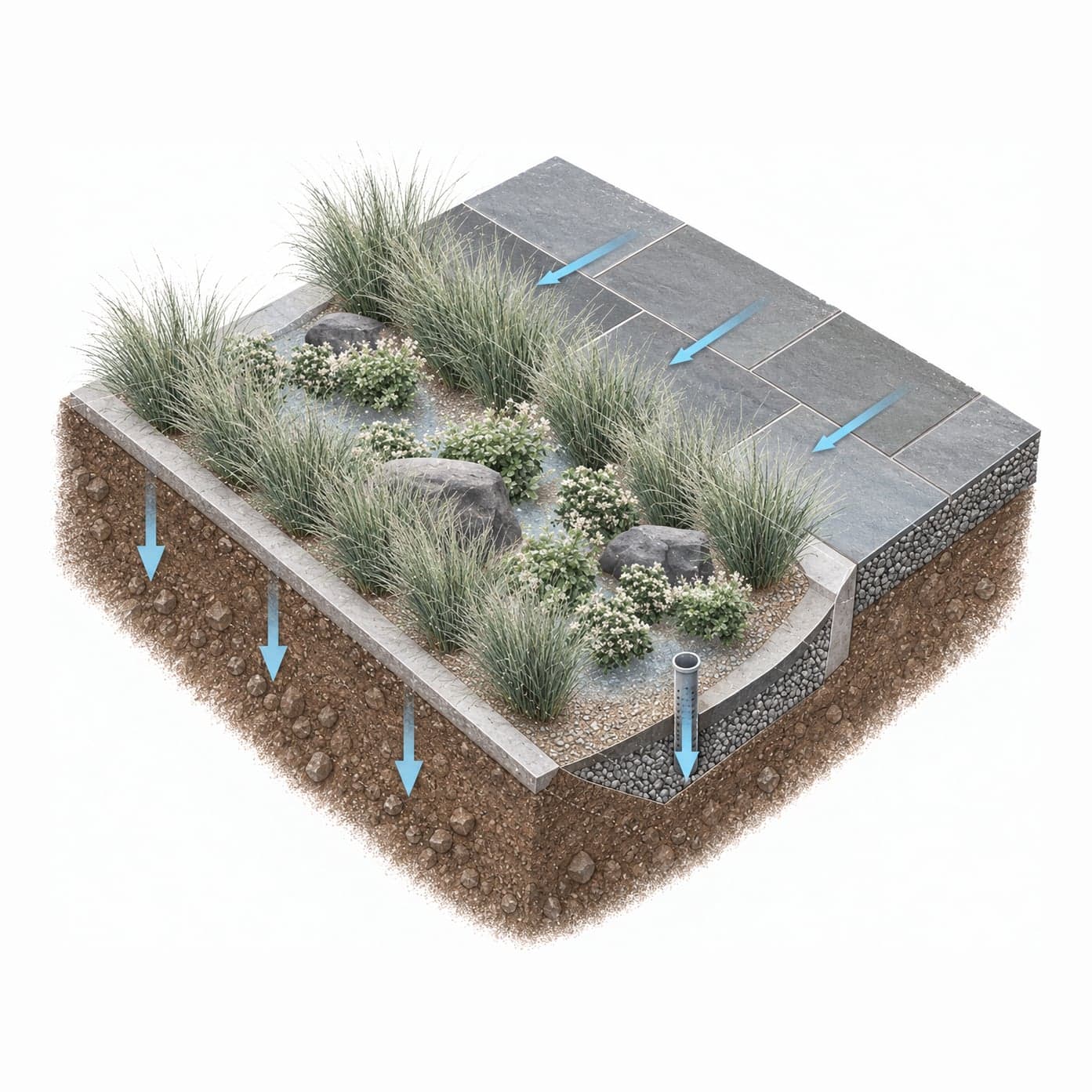
Rain Garden
A shallow planted depression that collects runoff from roofs and paved areas and lets it soak into the ground over a day or two.
Complexity: Low · 1–3 weeks
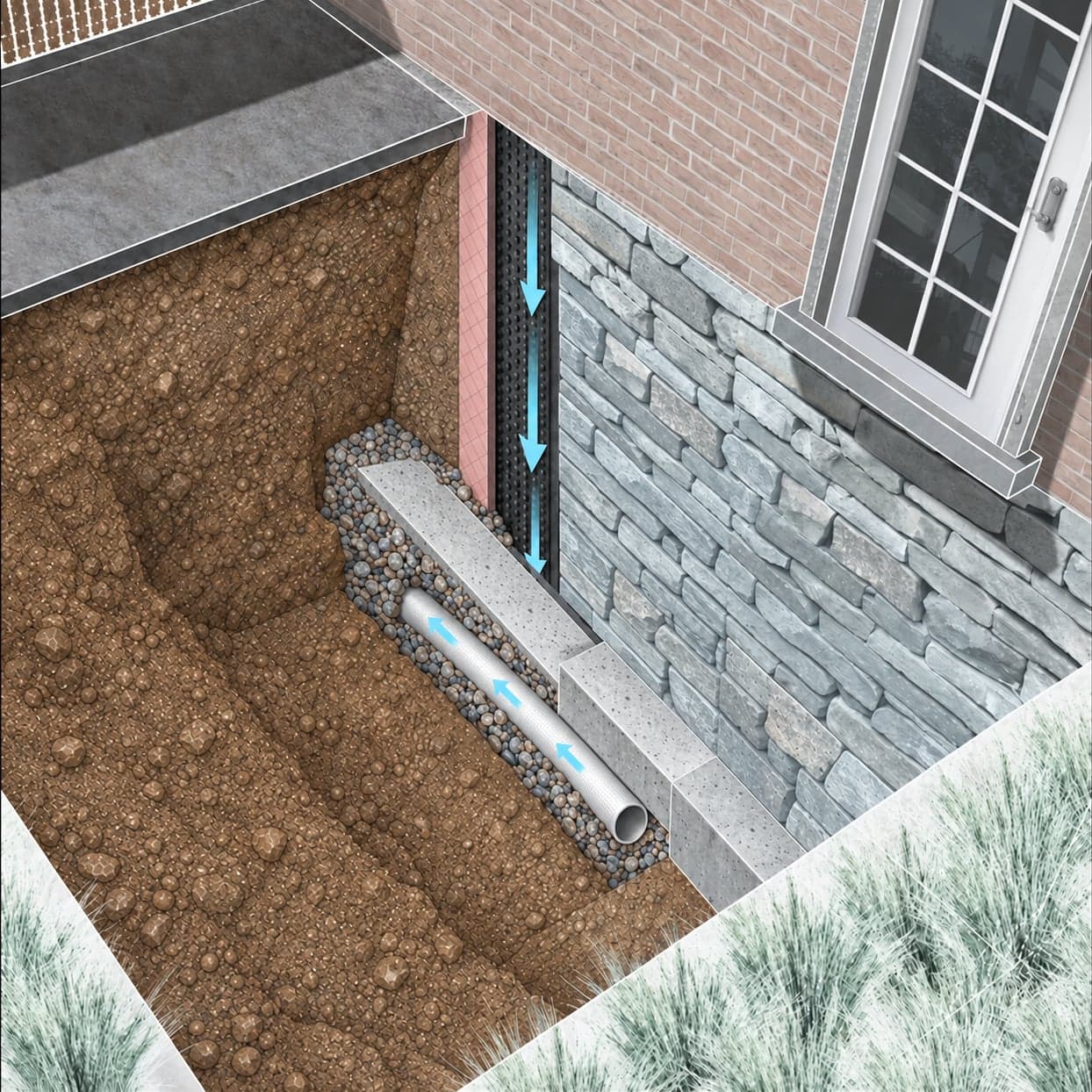
Foundation Waterproofing
Exterior membrane waterproofing, interior footing drains, or crystalline waterproofing compounds address hydrostatic pressure against the foundation, depending on construction type.
Complexity: High · 3–6 months
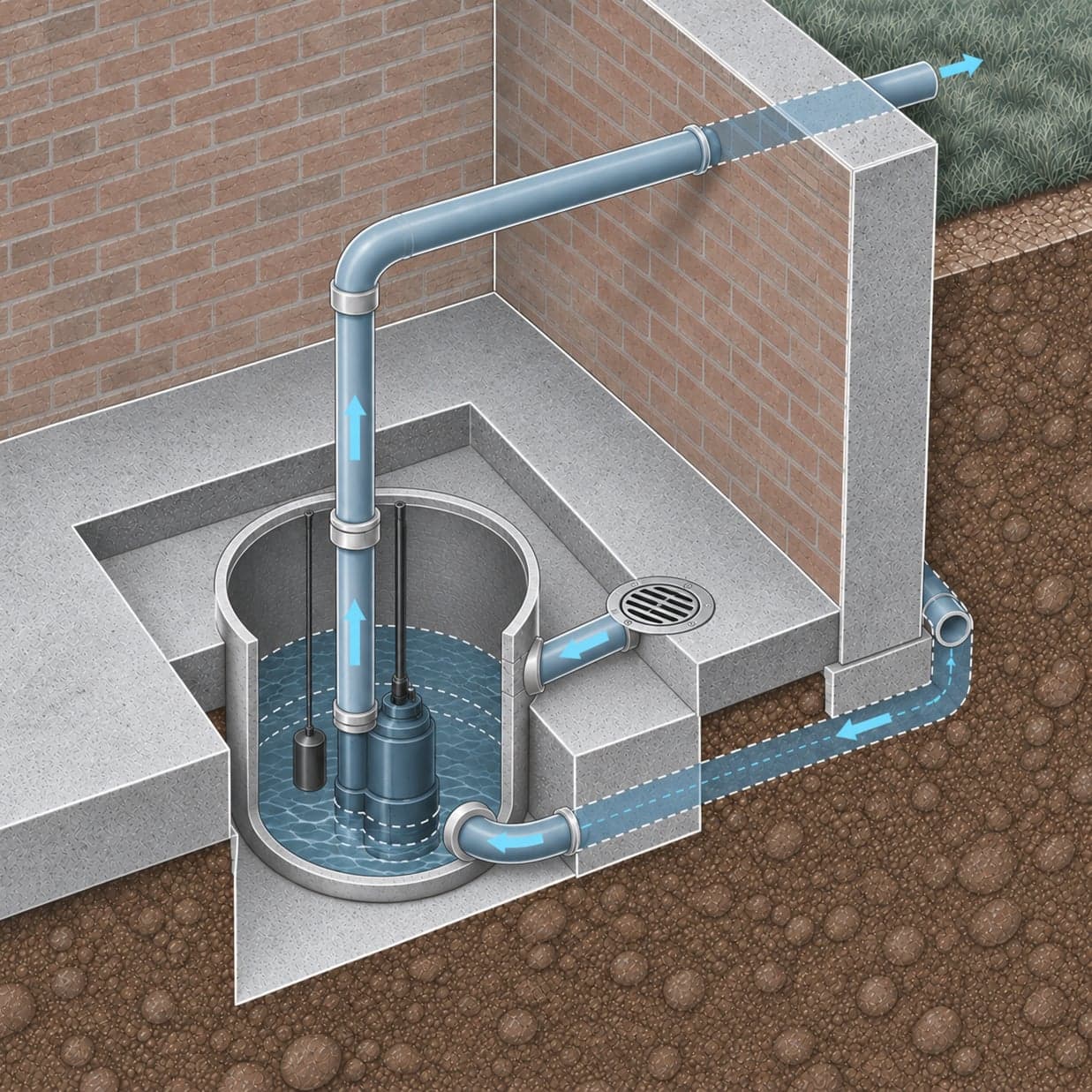
Sump Pump
A sump pump with battery backup actively removes water that accumulates in below-grade spaces during groundwater rise or sewer surcharge events.
Complexity: Low · 1–4 weeks
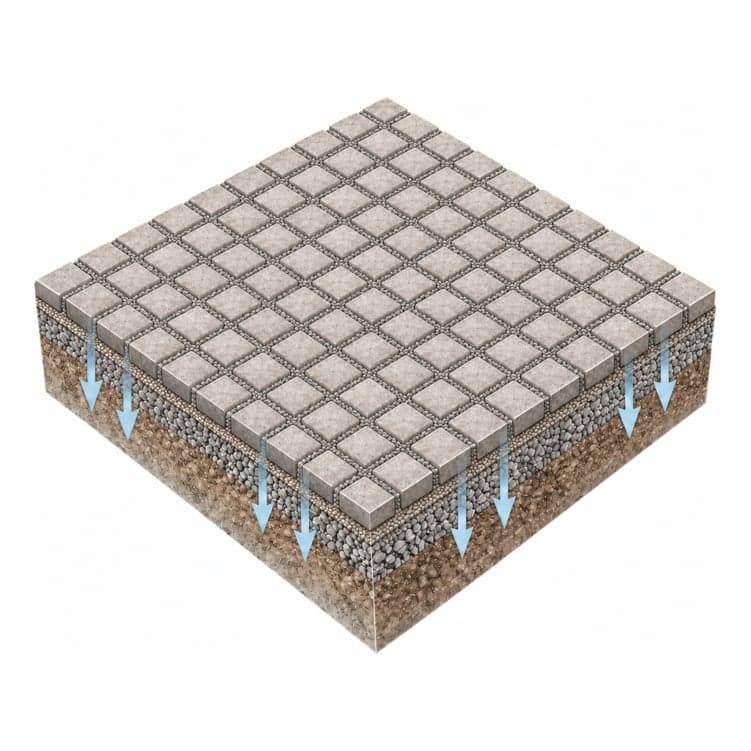
Increase Permeable Area
On-site interventions include permeable paving for driveways and walkways, removing concrete from yard areas, and adding planted beds — reducing impervious coverage that limits the neighborhood's collective capacity to absorb rain.
Complexity: Low · Ongoing
Which of these fit your lot?
Your Flood Form rates your property’s exposure and recommends the measures suited to it.
Questions about flooding in Brooklyn Heights (RH-011)
What is the RH-011 sewershed in Brooklyn Heights?
RH-011 is the part of Brooklyn Heights whose combined sewer leads to NYC DEP outfall RH-011. Its 298 properties share that pipe for both rain and wastewater, so a heavy storm anywhere in the area uses up capacity for every block in it.
Which Brooklyn Heights sewershed has the most sewer backups?
Brooklyn Heights is split across three sewersheds. RH-012 has the most sewer backup reports of the three: 81 in every 1,000 lots over the last 10 years. RH-014 has 56. RH-011 has 54. This page covers RH-011, and its map outlines the blocks it includes.
Do properties in Brooklyn Heights (RH-011) report sewer backups?
Over the last 10 years, 54 in every 1,000 lots in RH-011 filed a 311 sewer backup report, against a median of 76 across NYC's combined sewer areas. NYC DEP confirmed a problem in the city sewer, from rain overload to a blockage, at 7 in every 1,000 lots.
How exposed to flooding is Brooklyn Heights (RH-011)?
The most widespread exposure in RH-011 is stormwater: Flood Form rates 29% of properties Moderate or High for it. The share is 9% for sewer backup, 10% for groundwater and 2% for coastal flooding. These figures describe the whole area, and exposure varies lot by lot within it.
Is Brooklyn Heights flooding right now?
The live check at the top of this page shows whether flooding is likely in Brooklyn Heights now. It combines National Weather Service flood alerts for Brooklyn, NYC DEP's modeled combined sewer overflow advisories, and the past three hours of rain. Most NYC sewers are designed for about 1.75 inches of rain an hour, so a heavy downpour can flood streets and basements on low blocks before any alert goes out. Report street flooding or a sewer backup to 311, and call 911 if anyone is in danger.
Nearby neighborhoods and sewersheds
- RH-014Brooklyn Heights753 properties · 21% with Moderate or High stormwater exposure
- RH-012Brooklyn Heights296 properties · 34% with Moderate or High stormwater exposure
- RH-018Cobble Hill242 properties · 33% with Moderate or High stormwater exposure
- RH-016Cobble Hill2,042 properties · 18% with Moderate or High stormwater exposure
- RH-019Cobble Hill352 properties · 25% with Moderate or High stormwater exposure
- NCM-078Financial District112 properties · 89% with Moderate or High stormwater exposure