
Is Long Island City flooding right now?
Checking live flood alerts and sewer overflow conditions…
Long Island City Flood Exposure · NYC DEP Combined Sewer Area BB-013
Long Island City, Queens - BB-013
Properties in this area share the BB-013 combined sewer — during moderate-to-heavy rain, runoff can exceed pipe capacity faster than it drains, which is what drives sewer backup exposure block by block. Here’s what that looks like for Long Island City, Queens specifically.
BB-013 is a combined sewer area covering 119 properties in Long Island City, Queens. Flood Form rates 64% of them Moderate or High for stormwater, 74% for sewer backup, 70% for groundwater, and 45% for coastal flooding. 56% of lots have yard area that legally qualifies for on-site infiltration. The ground is fairly level here, typically about 14 ft. The median building dates to 1931. 35% of parcels sit over a historic stream or pond. According to NYC DEP green infrastructure records, this sewershed drains to Newtown Creek. NYC DEP has built 2 green infrastructure assets here. NYC DEP models about 43 combined sewer overflows a year at its outfall.
See where your property stands
Flood exposure in Long Island City (BB-013)
The share of properties Flood Form rates Moderate or High for each type of flooding, on the same Minimal to High scale as an individual report.
64%
Stormwater exposure: Moderate or High
74%
Sewer Backup exposure: Moderate or High
70%
Groundwater exposure: Moderate or High
45%
Coastal exposure: Moderate or High
What sets Long Island City (BB-013) apart
The three figures on which BB-013 differs most from the rest of NYC’s combined sewer areas.
74%
Properties with Moderate or High sewer backup exposure
The highest of NYC's combined sewer areas. Backups from the shared pipe are a concern on more lots here.
70%
Properties with Moderate or High groundwater exposure
Higher than 96% of NYC's combined sewer areas. A shallow water table sits under more lots here.
45%
Properties with Moderate or High coastal exposure
Higher than 95% of NYC's combined sewer areas. More lots here are within reach of tides and storm surge.
Stats computed from Flood Form’s NYC parcel data as of October 14, 2026
Common solutions for Long Island City properties
The measures that most often suit conditions in BB-013. An individual Flood Form picks the exact set for one lot. See all flood prevention solutions.
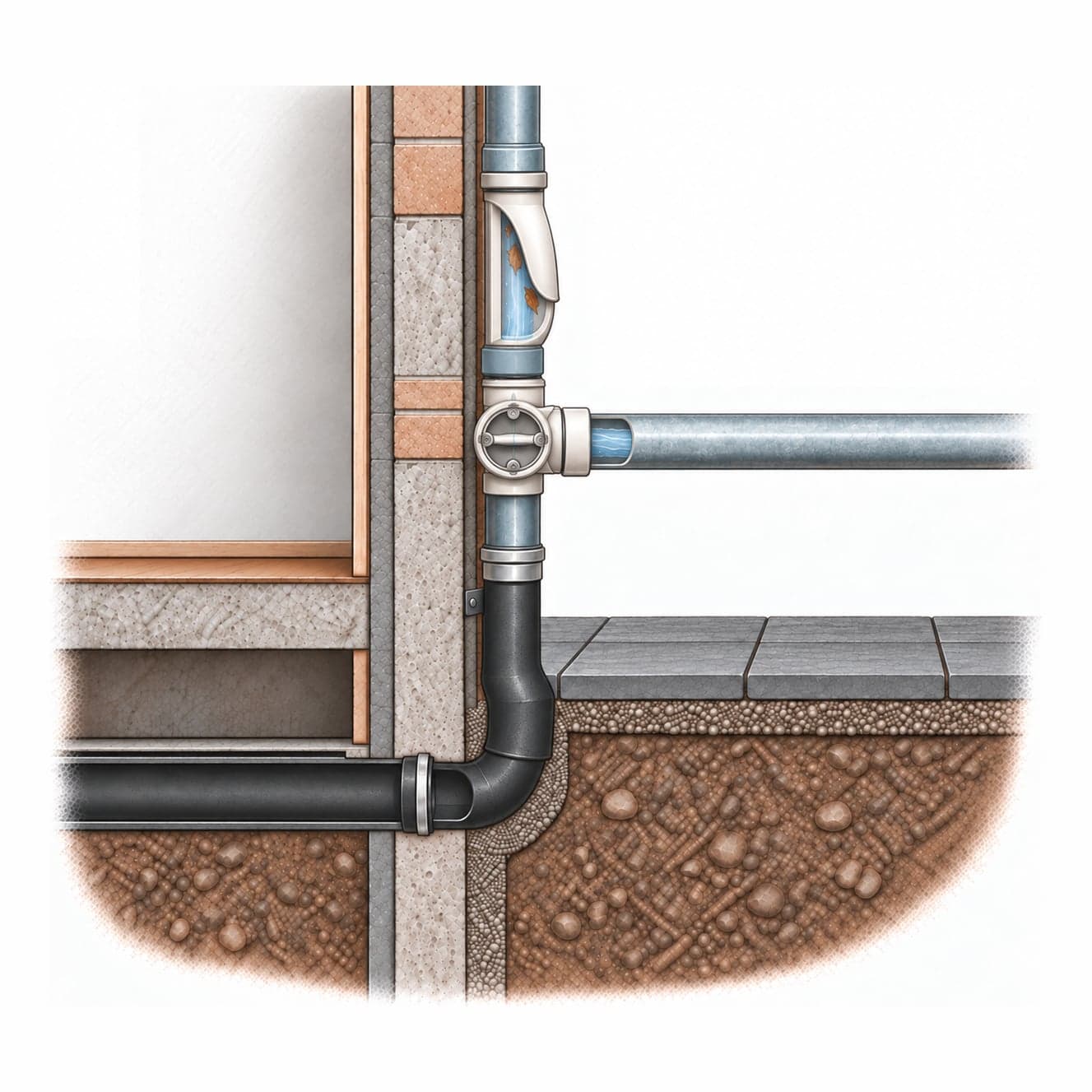
Downspout Diversion
Redirect roof downspouts away from the sewer system toward permeable yard areas, planters, or a rain barrel.
Complexity: Low · 1–4 weeks
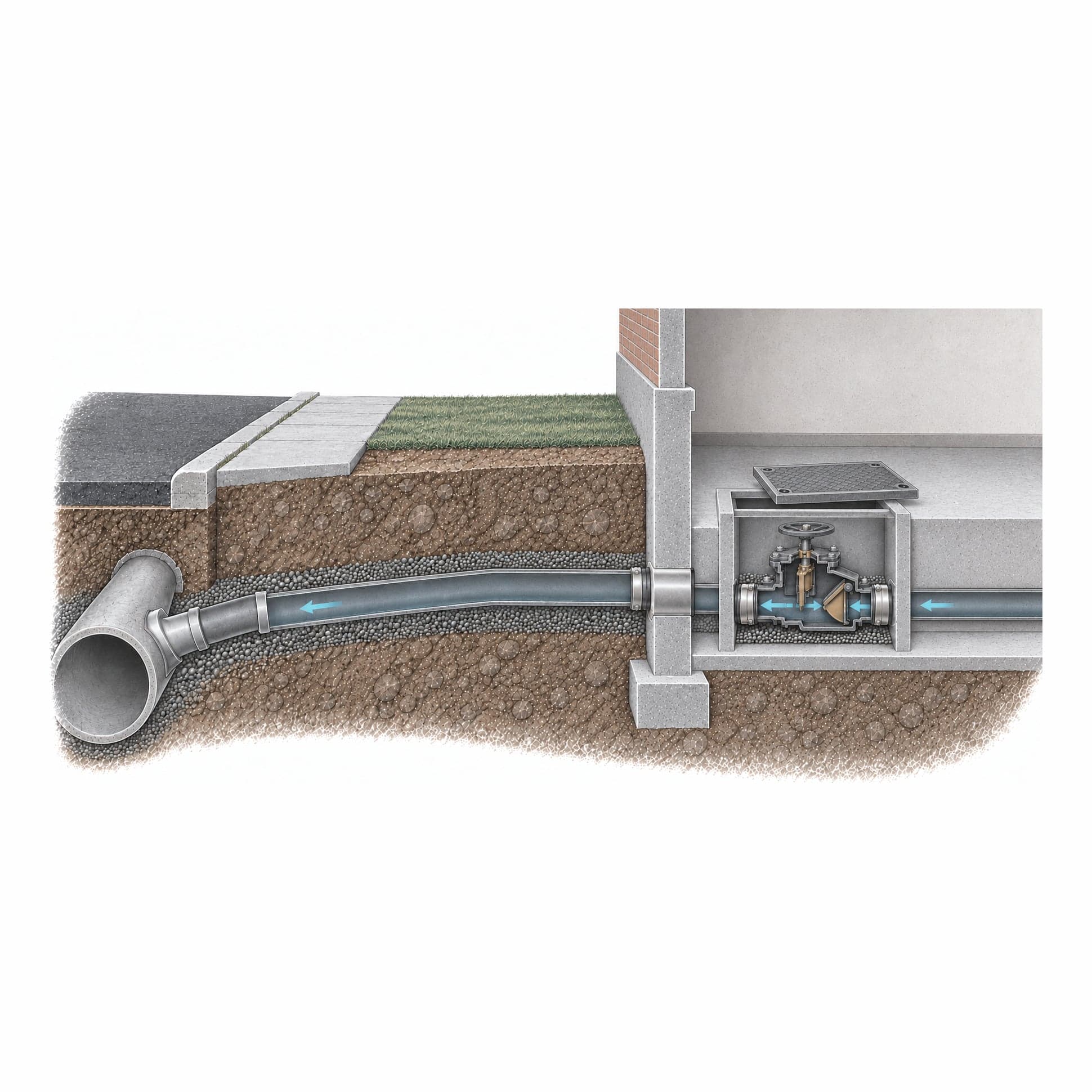
Backflow Preventer + Gate Valve
A backflow preventer on the building sewer lets wastewater flow out to the street but closes automatically when the municipal sewer surcharges, preventing sewage from backing up into the basement.
Complexity: Moderate · 2–6 weeks
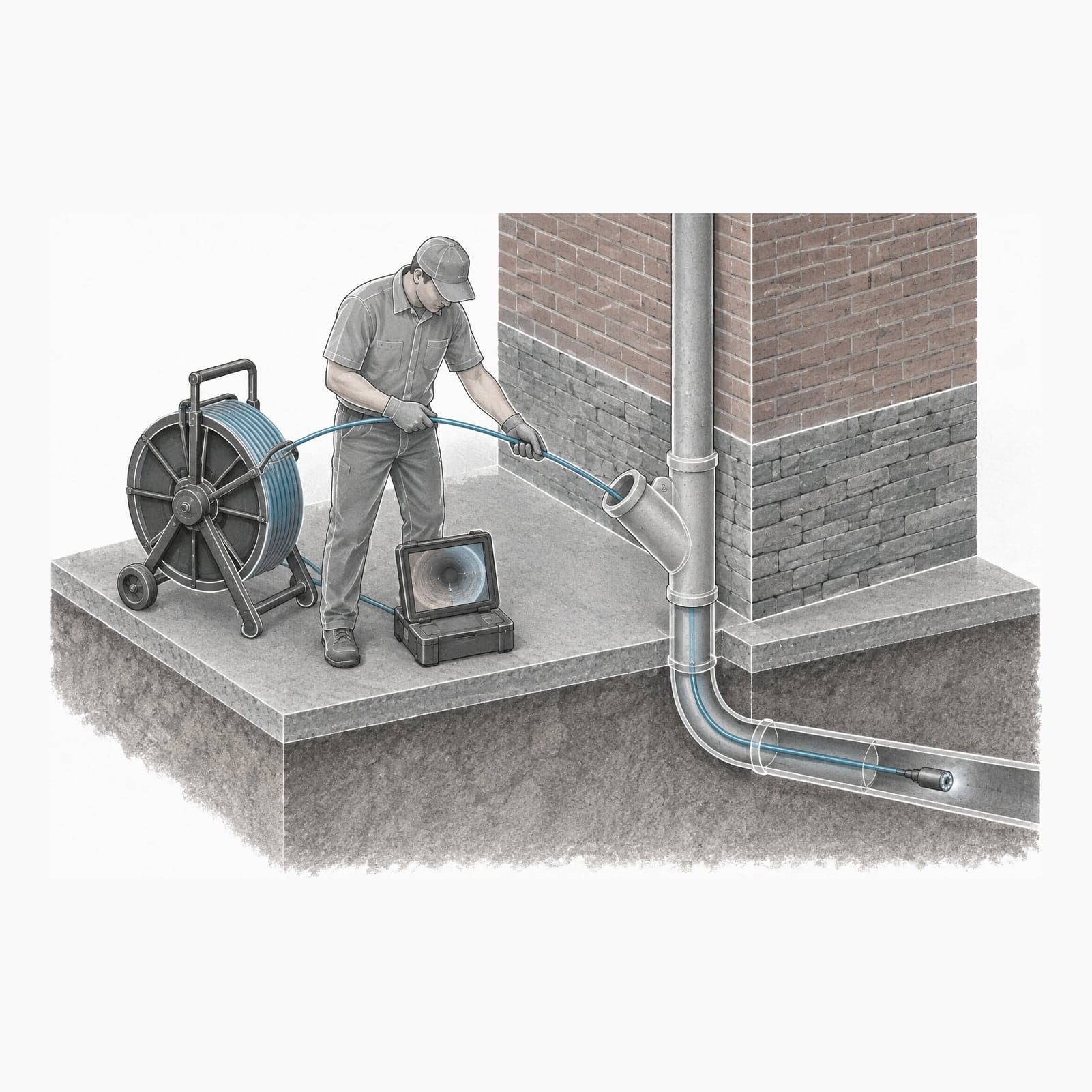
Sewer Line Video Inspection
A licensed plumber runs a camera through the building sewer from a cleanout to the street connection, recording the condition of the pipe.
Complexity: Low · 1–2 weeks
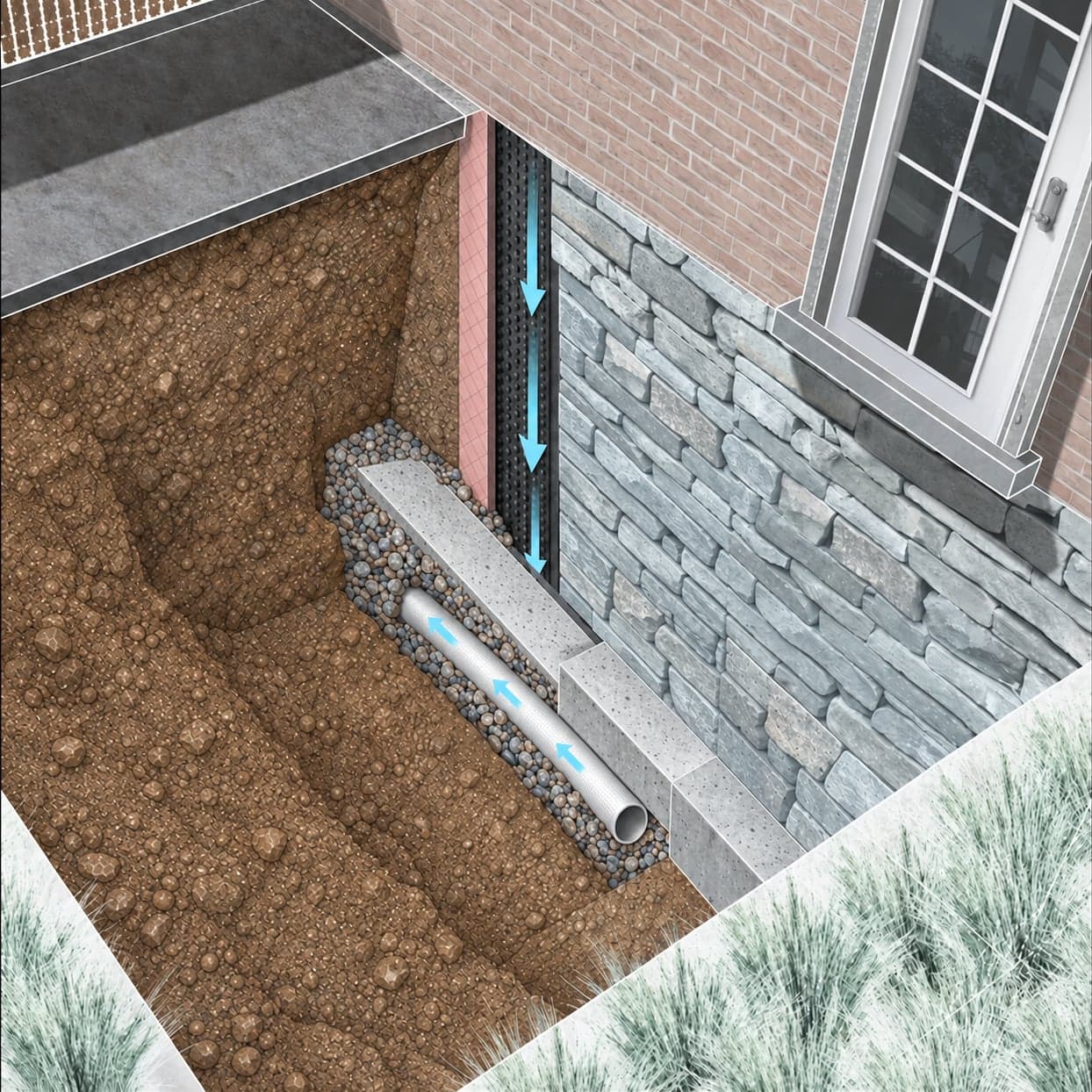
Foundation Waterproofing
Exterior membrane waterproofing, interior footing drains, or crystalline waterproofing compounds address hydrostatic pressure against the foundation, depending on construction type.
Complexity: High · 3–6 months
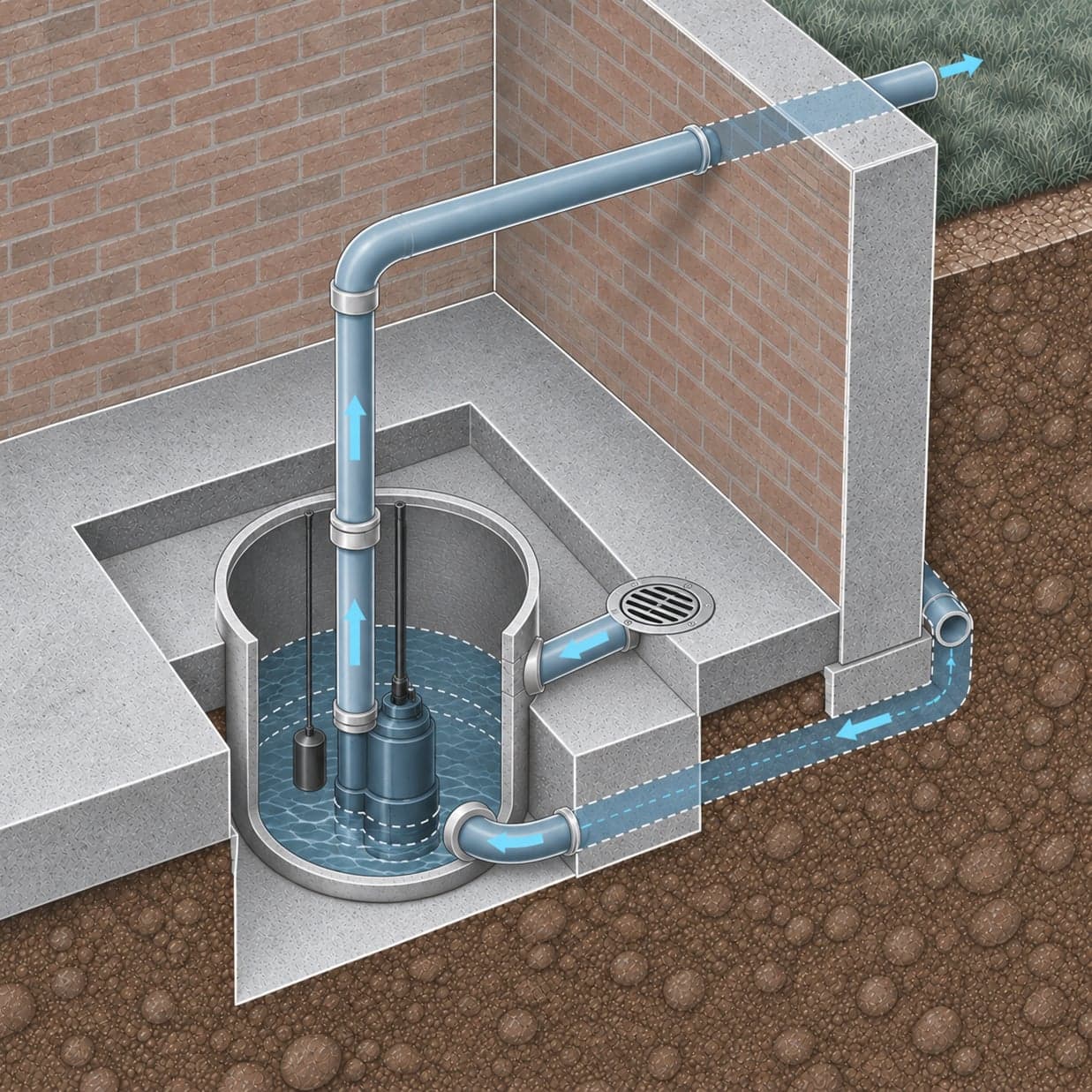
Sump Pump
A sump pump with battery backup actively removes water that accumulates in below-grade spaces during groundwater rise or sewer surcharge events.
Complexity: Low · 1–4 weeks
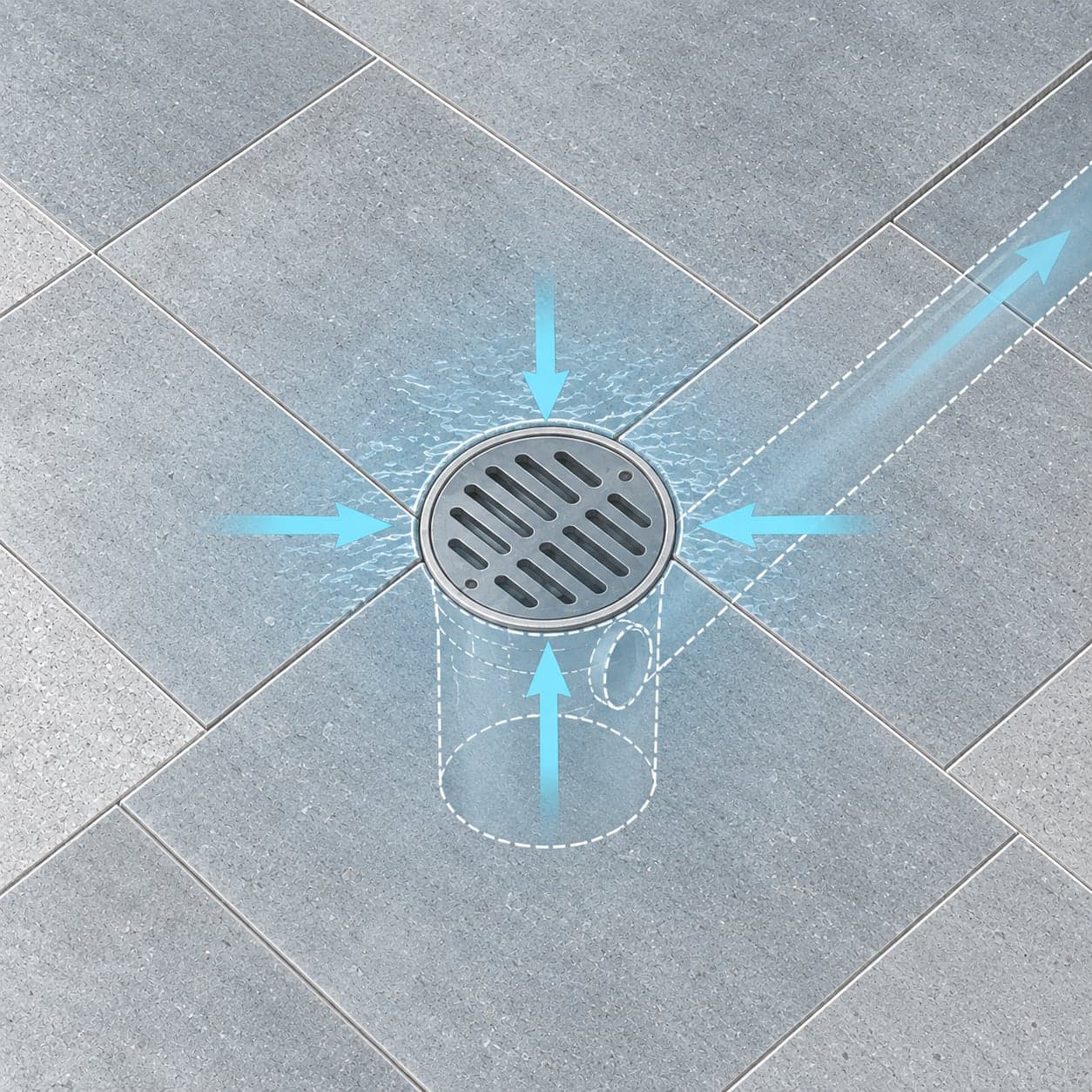
Area Drain
A yard area drain — a surface inlet at the lowest point in the yard — provides a direct outlet for stormwater that pools on the site.
Complexity: Low · 1–4 weeks
Which of these fit your lot?
Your Flood Form rates your property’s exposure and recommends the measures suited to it.
Questions about flooding in Long Island City (BB-013)
What is the BB-013 sewershed in Long Island City?
BB-013 is the part of Long Island City, Queens whose combined sewer leads to NYC DEP outfall BB-013. Its 119 properties share that pipe for both rain and wastewater, so a heavy storm anywhere in the area uses up capacity for every block in it. When the pipe is over capacity, the overflow discharges to Newtown Creek.
Which Long Island City sewershed has the most sewer backups?
Long Island City is split across three sewersheds. BB-013 has the most sewer backup reports of the three: 185 in every 1,000 lots over the last 10 years. BB-023 has 181. BB-021 has 139. This page covers BB-013, and its map outlines the blocks it includes.
Do properties in Long Island City (BB-013) report sewer backups?
Over the last 10 years, 185 in every 1,000 lots in BB-013 filed a 311 sewer backup report, against a median of 75 across NYC's combined sewer areas. NYC DEP confirmed a problem in the city sewer, from rain overload to a blockage, at 84 in every 1,000 lots. The most reports came in 2025: 10.
How exposed to flooding is Long Island City (BB-013)?
The most widespread exposure in BB-013 is sewer backup: Flood Form rates 74% of properties Moderate or High for it. The share is 64% for stormwater, 70% for groundwater and 45% for coastal flooding. These figures describe the whole area, and exposure varies lot by lot within it.
Is Long Island City flooding right now?
The live check at the top of this page shows whether flooding is likely in Long Island City now. It combines National Weather Service flood alerts for Queens, NYC DEP's modeled combined sewer overflow advisories, and the past three hours of rain. Most NYC sewers are designed for about 1.75 inches of rain an hour, so a heavy downpour can flood streets and basements on low blocks before any alert goes out. Report street flooding or a sewer backup to 311, and call 911 if anyone is in danger.
Nearby neighborhoods and sewersheds
- BB-021Long Island City380 properties · 62% with Moderate or High stormwater exposure
- BB-023Long Island City282 properties · 74% with Moderate or High stormwater exposure
- NCB-022Greenpoint318 properties · 39% with Moderate or High stormwater exposure
- BB-024Queensbridge459 properties · 67% with Moderate or High stormwater exposure
- NCB-027Greenpoint920 properties · 59% with Moderate or High stormwater exposure
- NCB-004Greenpoint910 properties · 16% with Moderate or High stormwater exposure