
Is Clearview flooding right now?
Checking live flood alerts and sewer overflow conditions…
Clearview Flood Exposure · NYC DEP Combined Sewer Area TI-023
Clearview, Queens - TI-023
Properties in this area share the TI-023 combined sewer — during moderate-to-heavy rain, runoff can exceed pipe capacity faster than it drains, which is what drives sewer backup exposure block by block. Here’s what that looks like for Clearview, Queens specifically.
TI-023 is a combined sewer area covering 4,167 properties in Clearview, Queens. Flood Form rates 40% of them Moderate or High for stormwater and 19% for sewer backup. None rate that high for groundwater or coastal flooding. 97% of lots have yard area that legally qualifies for on-site infiltration. The ground slopes gently down toward the west, from about 94 ft to 57 ft, so runoff from higher blocks drains toward lower ones. The median building dates to 1950. According to NYC DEP green infrastructure records, this sewershed drains to East River / Open Waters. NYC DEP has built 122 green infrastructure assets here. NYC DEP models about 42 combined sewer overflows a year at its outfall.
See where your property stands
Flood exposure in Clearview (TI-023)
The share of properties Flood Form rates Moderate or High for each type of flooding, on the same Minimal to High scale as an individual report.
40%
Stormwater exposure: Moderate or High
19%
Sewer Backup exposure: Moderate or High
0%
Groundwater exposure: Moderate or High
0%
Coastal exposure: Moderate or High
What sets Clearview (TI-023) apart
The three figures on which TI-023 differs most from the rest of NYC’s combined sewer areas.
97.3%
Legally eligible for on-site infiltration
Higher than 99% of NYC's combined sewer areas. More yards here have room to soak stormwater in.
122
NYC DEP green infrastructure assets built
Higher than 92% of NYC's combined sewer areas. City-built rain gardens and similar assets already take some runoff here.
1950
Median year built
Newer than 89% of NYC's combined sewer areas. Recent construction tends to have up-to-date drains and sewer connections.
Stats computed from Flood Form’s NYC parcel data as of October 14, 2026
The worst corner in Clearview
160th Street & 25th Avenue
Of the 64 four-way intersections Flood Form compared in TI-023, the 10 lots within 50 meters of this one carry the highest average compound flood exposure: a score of 19.4, against 5.5 across the sewershed.
High
Compound exposure
High
Stormwater exposure
Moderate
Sewer Backup exposure
Low
Groundwater exposure
Minimal
Coastal exposure
Ratings are for the average lot near the corner, on the same Minimal to High scale as a report
Common solutions for Clearview properties
The measures that most often suit conditions in TI-023. An individual Flood Form picks the exact set for one lot. See all flood prevention solutions.
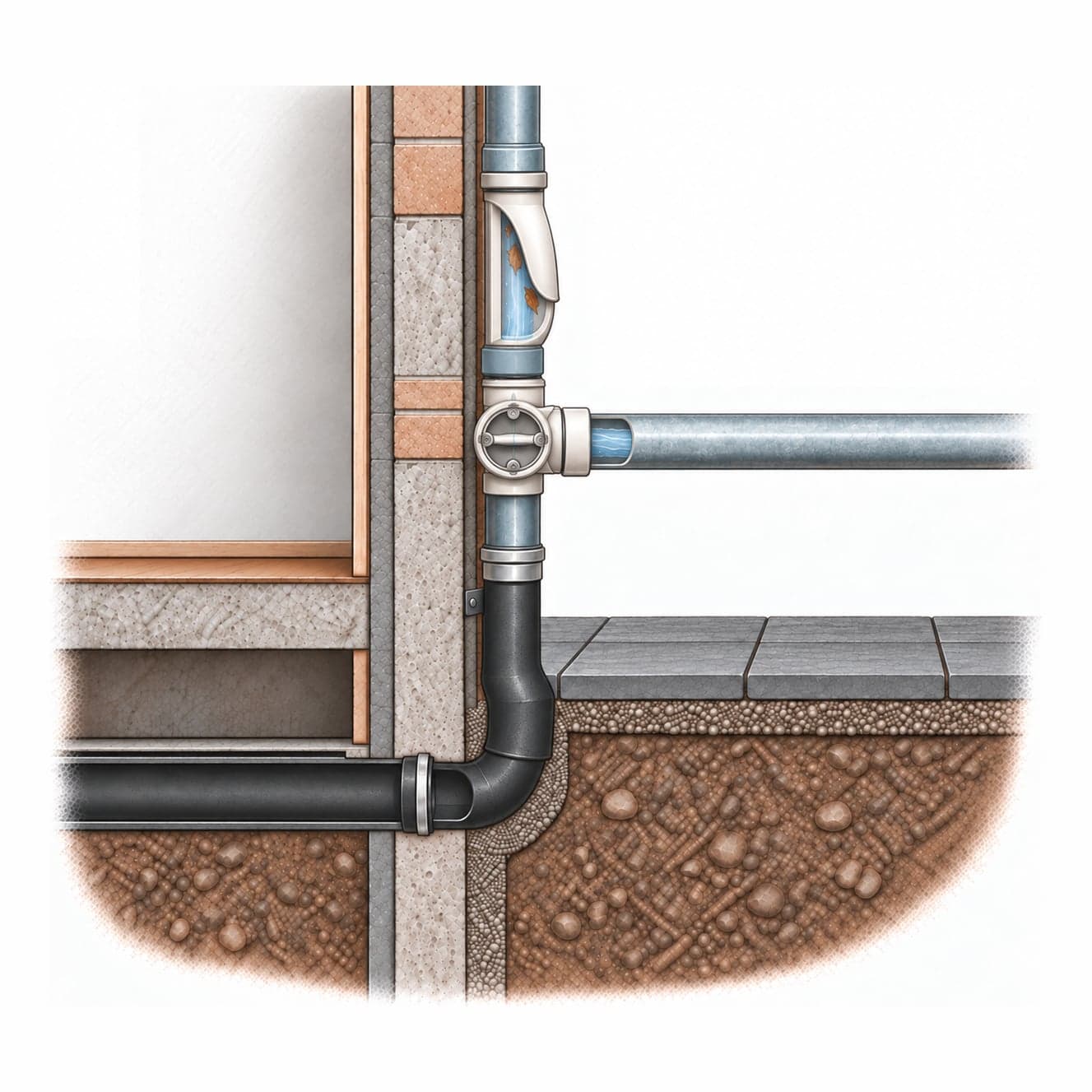
Downspout Diversion
Redirect roof downspouts away from the sewer system toward permeable yard areas, planters, or a rain barrel.
Complexity: Low · 1–4 weeks
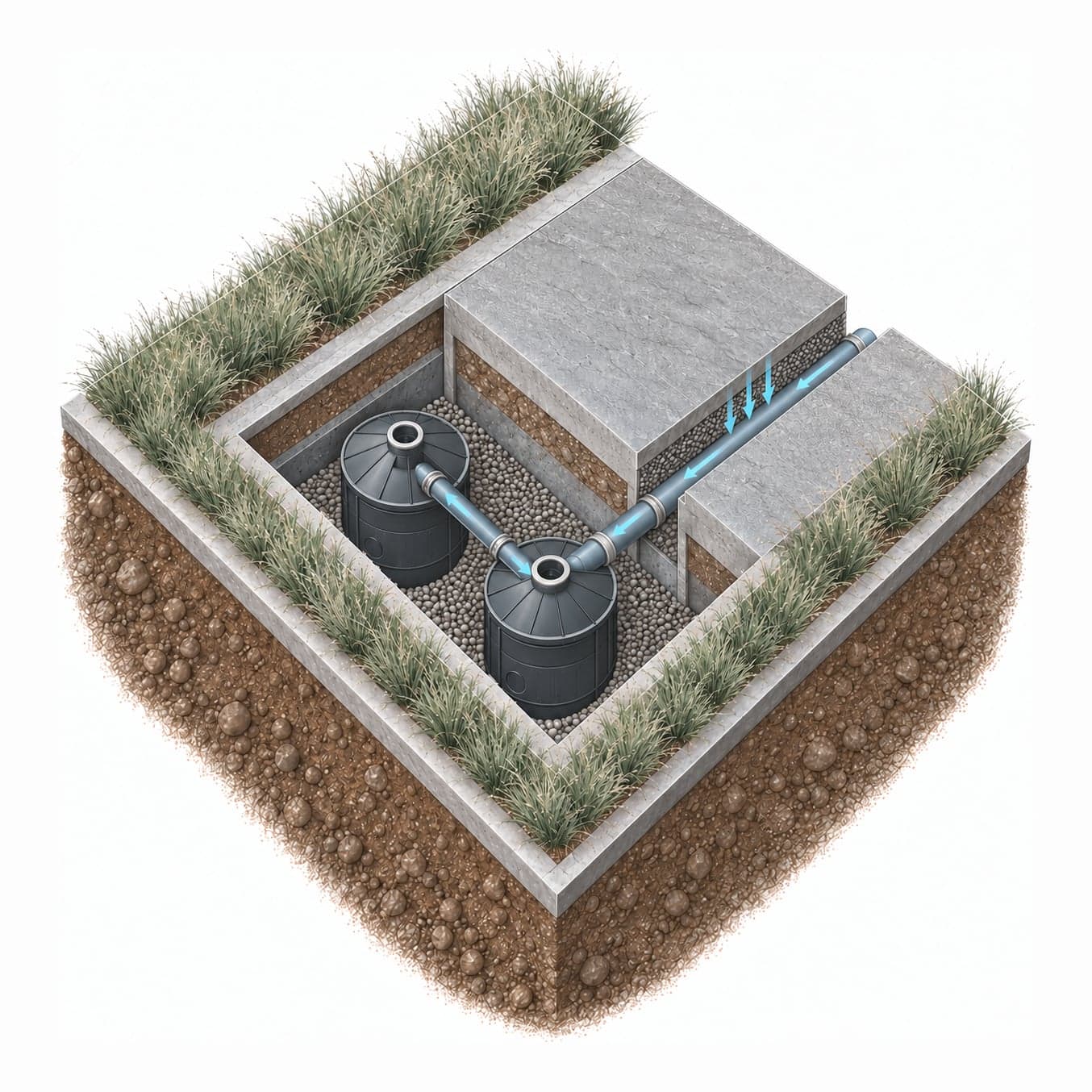
Modular Drywell System
An NDS Flo-Well modular drywell system lets water soak into the ground on-site.
Complexity: Moderate · 1–3 weeks
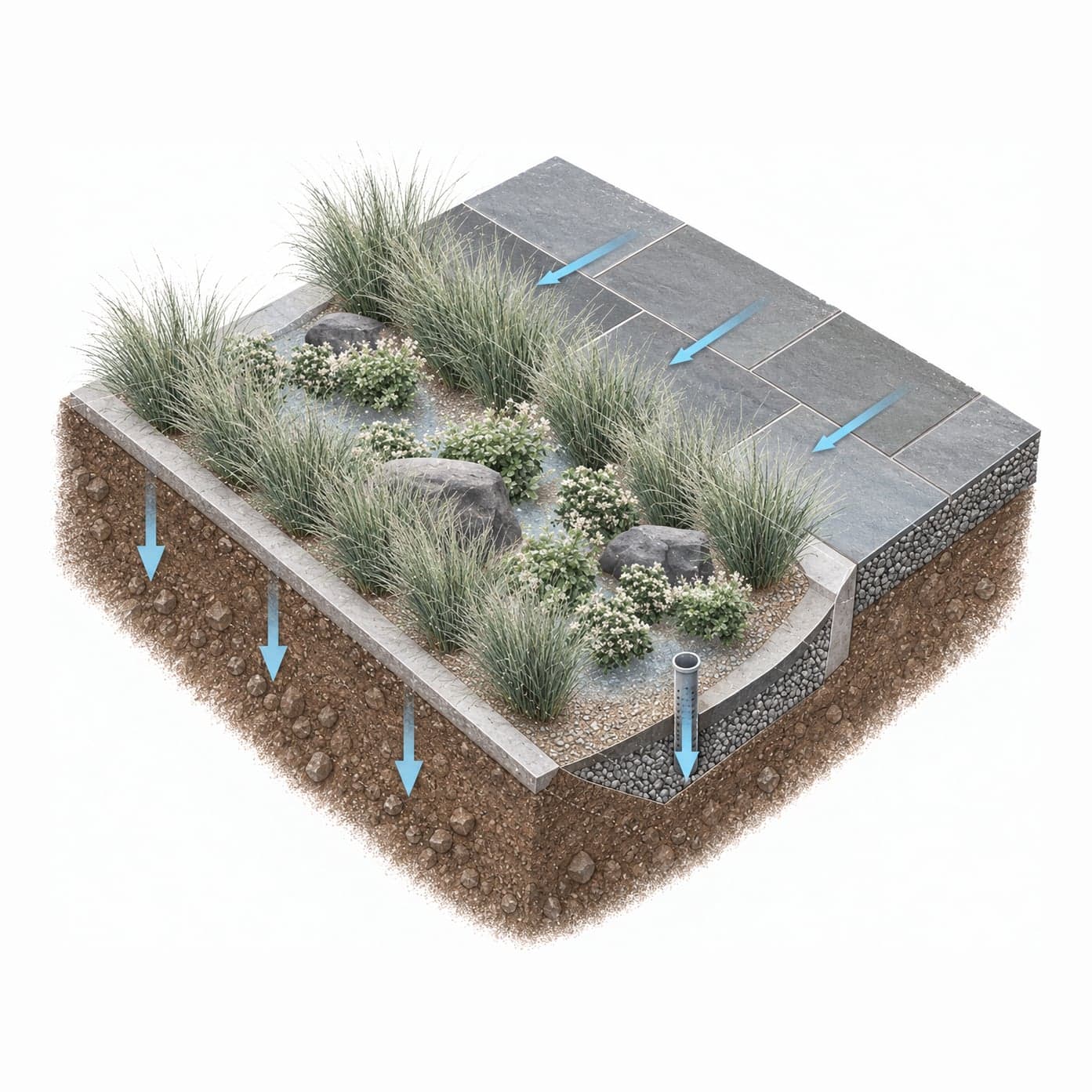
Rain Garden
A shallow planted depression that collects runoff from roofs and paved areas and lets it soak into the ground over a day or two.
Complexity: Low · 1–3 weeks
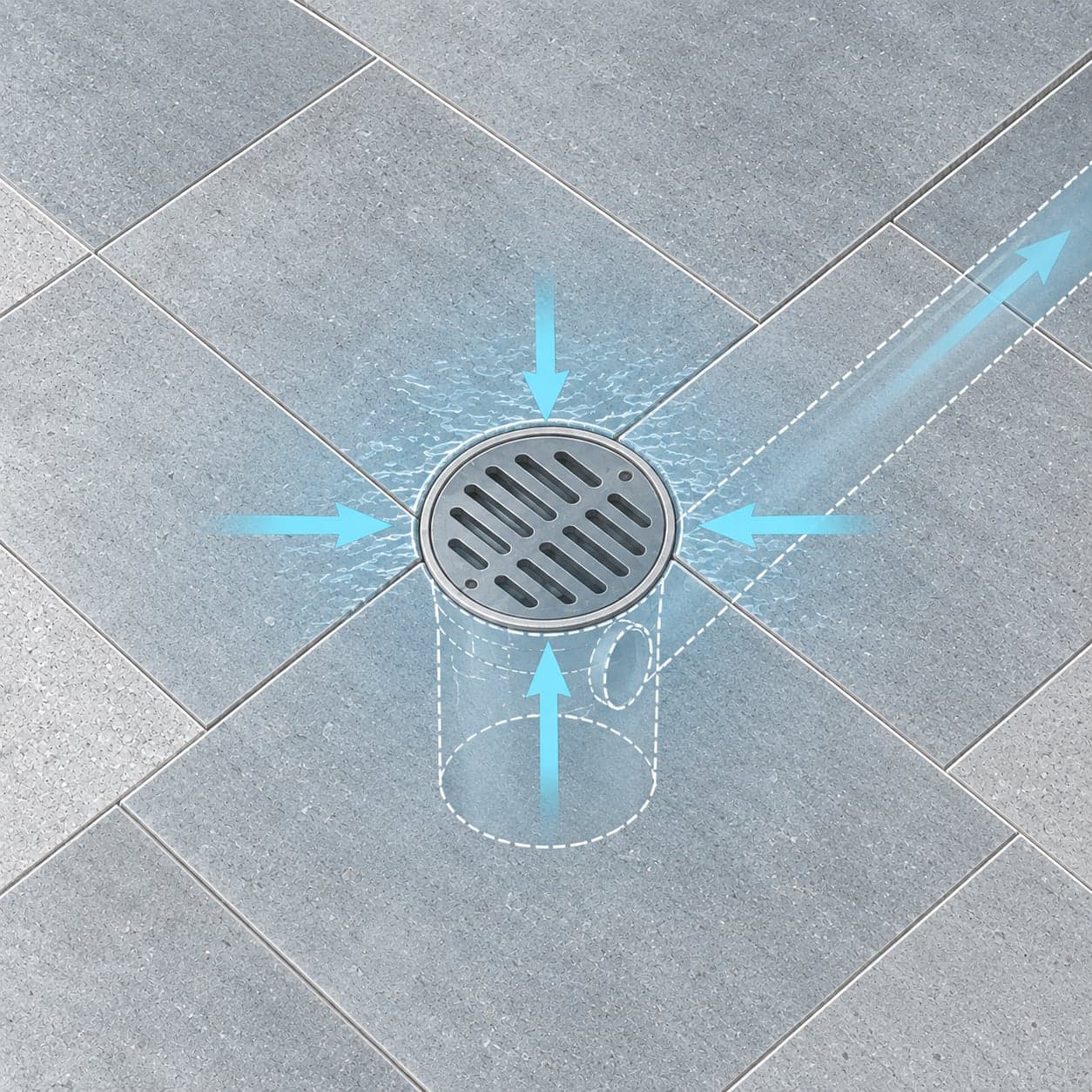
Area Drain
A yard area drain — a surface inlet at the lowest point in the yard — provides a direct outlet for stormwater that pools on the site.
Complexity: Low · 1–4 weeks
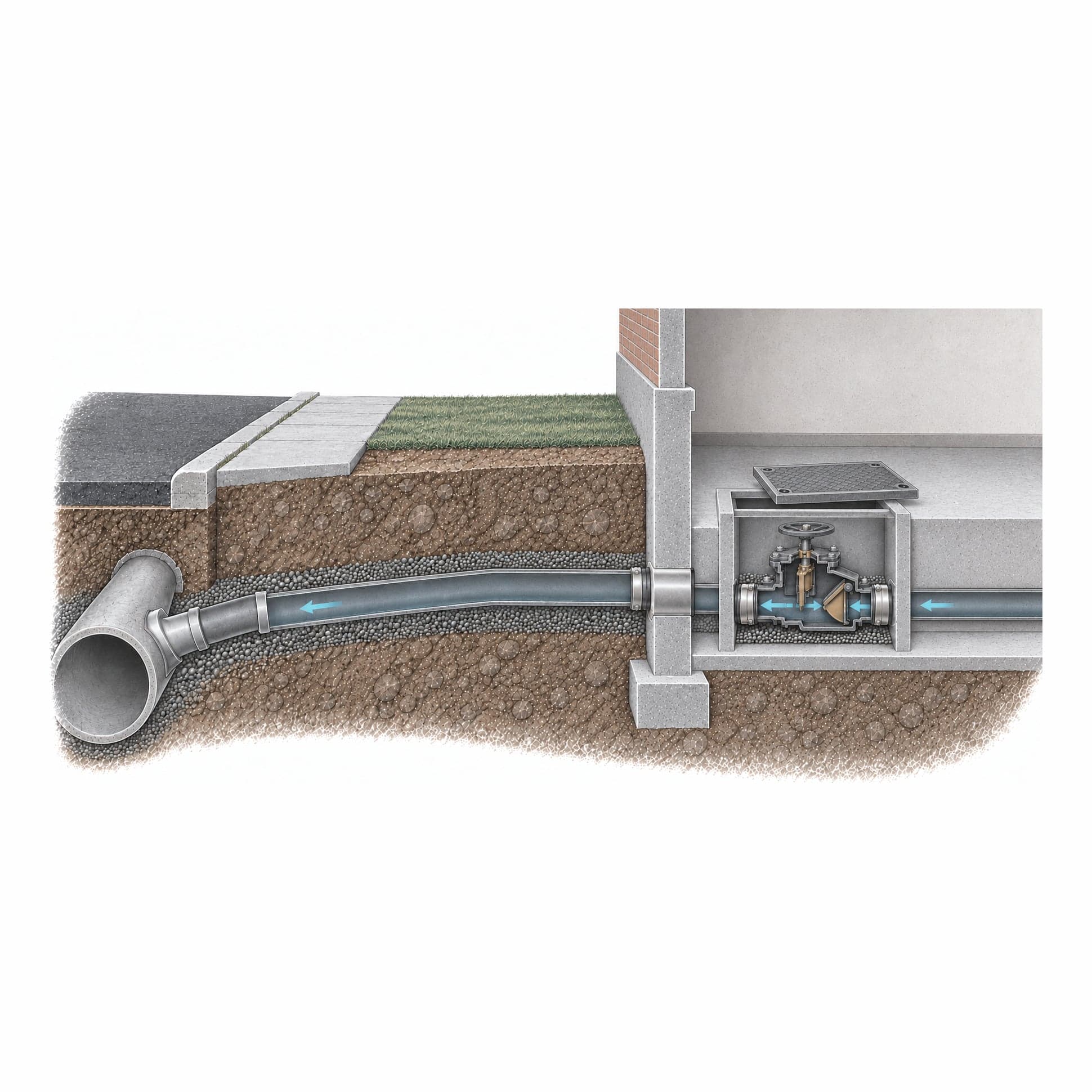
Backflow Preventer + Gate Valve
A backflow preventer on the building sewer lets wastewater flow out to the street but closes automatically when the municipal sewer surcharges, preventing sewage from backing up into the basement.
Complexity: Moderate · 2–6 weeks
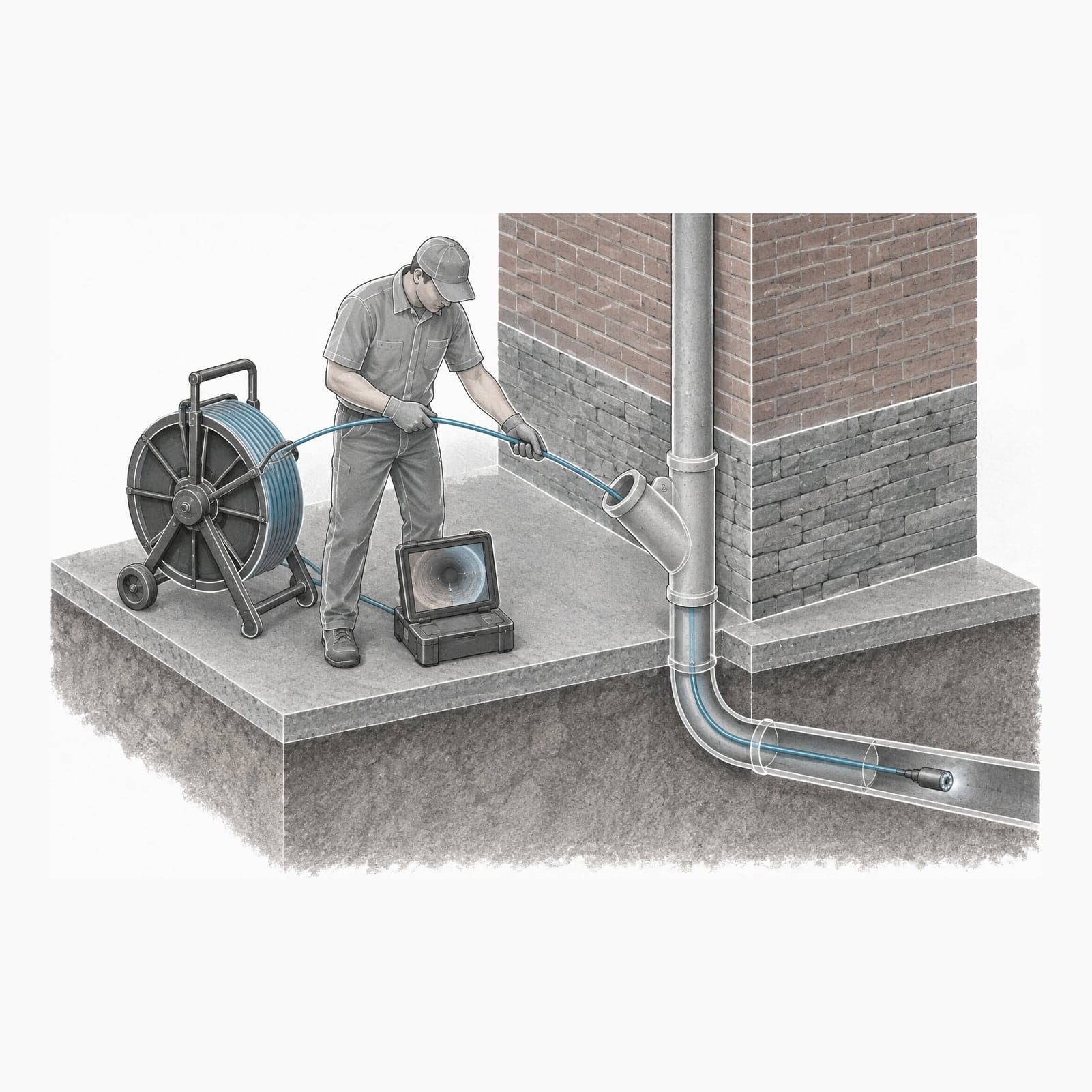
Sewer Line Video Inspection
A licensed plumber runs a camera through the building sewer from a cleanout to the street connection, recording the condition of the pipe.
Complexity: Low · 1–2 weeks
Which of these fit your lot?
Your Flood Form rates your property’s exposure and recommends the measures suited to it.
City sewer and stormwater work in Clearview (TI-023)
The city has 3 sewer, stormwater and coastal projects planned, in design or under construction in this area. City sewer contractors hold 3 active street permits here today. Another 7 projects are upgrading the treatment plant this area drains to.
3
City projects planned or underway
3
Active street permits for city sewer work
$75.6M
City budget for these projects
- Sewage pumping · Under construction
Reconstruction of Clearview Pump Station
ScheduleOct 2014 → Dec 2026Spending$22.5M of $39.2MNYC Environmental Protection
- Green infrastructure · Under construction
Green Infrastructure in TI-003 & TI-023 East River
SchedulePast the city's forecast (Mar 2024)Spending$16.7M of $22.9MNYC Design and Construction
- Sewer repair · Out to bid
Reconstruction of Existing Sewers, South Queens
ScheduleMay 2025 → Mar 2027Spending$13.5M budgetNYC Design and Construction
Dates and dollars from the NYC Capital Projects Dashboard (May 2026 update) and the city's Capital Planning Database; street permits from NYC DOT, checked daily.
What does this mean for your property?
Projects like these work across a whole drainage area and take years to finish. They don't change how water reaches a building through its own sewer connection, doors or foundation, which is what a property-level plan addresses.
Questions about flooding in Clearview (TI-023)
What is the TI-023 sewershed in Clearview?
TI-023 is the part of Clearview, Queens whose combined sewer leads to NYC DEP outfall TI-023. Its 4,167 properties share that pipe for both rain and wastewater, so a heavy storm anywhere in the area uses up capacity for every block in it. When the pipe is over capacity, the overflow discharges to East River / Open Waters.
Do properties in Clearview (TI-023) report sewer backups?
Over the last 10 years, 84 in every 1,000 lots in TI-023 filed a 311 sewer backup report, against a median of 75 across NYC's combined sewer areas. NYC DEP confirmed a problem in the city sewer, from rain overload to a blockage, at 11 in every 1,000 lots. The most reports came in 2022: 141.
How exposed to flooding is Clearview (TI-023)?
The most widespread exposure in TI-023 is stormwater: Flood Form rates 40% of properties Moderate or High for it. The share is 19% for sewer backup. These figures describe the whole area, and exposure varies lot by lot within it.
Can properties in Clearview (TI-023) manage stormwater on site?
97% of lots in TI-023 have yard area that legally qualifies for on-site infiltration, such as a drywell or rain garden. A lot without that room can still hold runoff with a detention tank or a blue roof.
Is Clearview flooding right now?
The live check at the top of this page shows whether flooding is likely in Clearview now. It combines National Weather Service flood alerts for Queens, NYC DEP's modeled combined sewer overflow advisories, and the past three hours of rain. Most NYC sewers are designed for about 1.75 inches of rain an hour, so a heavy downpour can flood streets and basements on low blocks before any alert goes out. Report street flooding or a sewer backup to 311, and call 911 if anyone is in danger.
From The Waterline
Field notes from Clearview
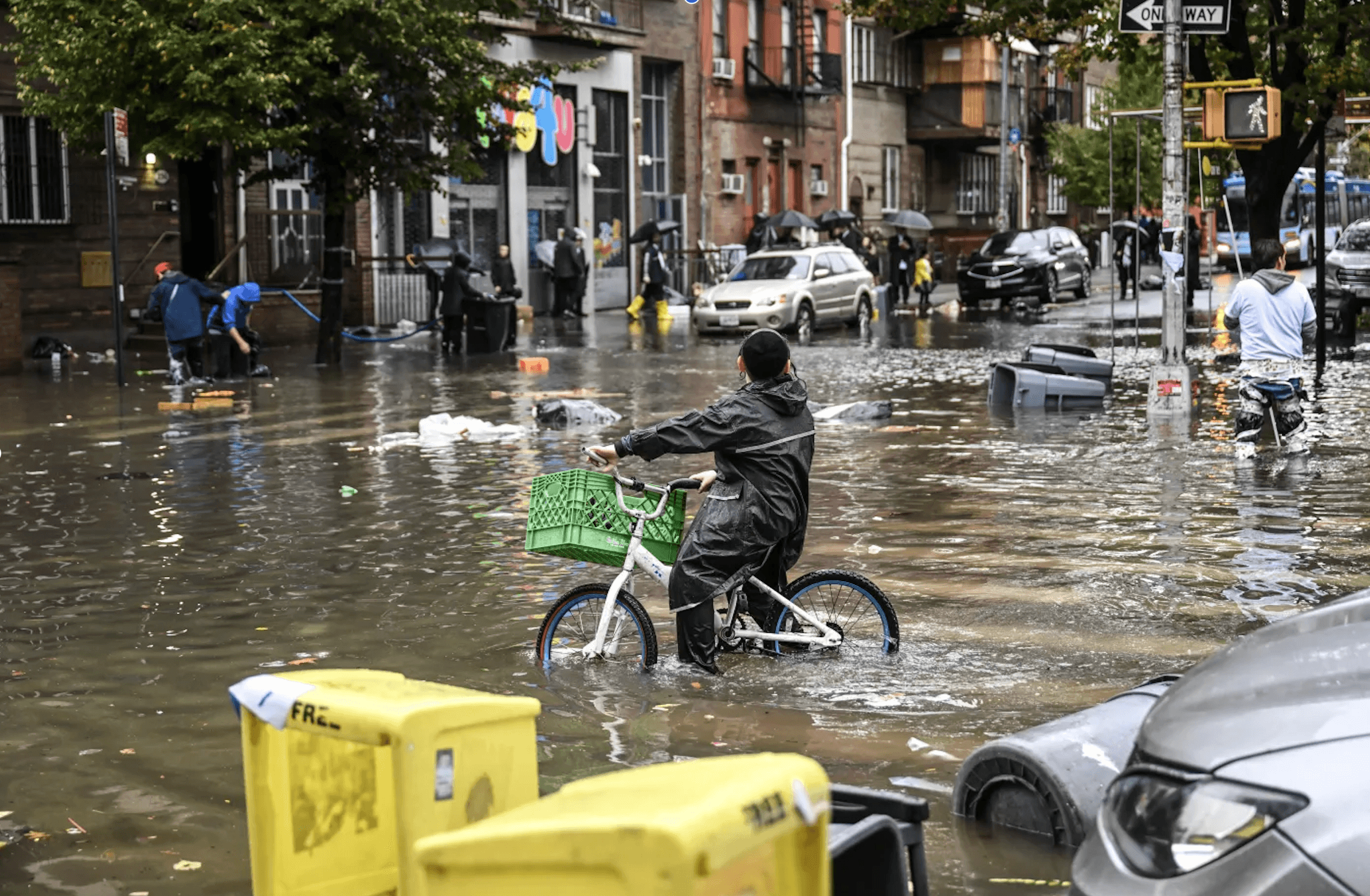
All posts on The Waterline → · Get new field notes by email →
Nearby neighborhoods and sewersheds
- TI-003Whitestone2,147 properties · 34% with Moderate or High stormwater exposure
- TI-011Murray Hill4,089 properties · 40% with Moderate or High stormwater exposure
- TI-004Whitestone480 properties · 16% with Moderate or High stormwater exposure
- TI-022Flushing1,136 properties · 46% with Moderate or High stormwater exposure
- TI-015College Point215 properties · 11% with Moderate or High stormwater exposure
- TI-014College Point272 properties · 4% with Moderate or High stormwater exposure