Microburst: Introducing Structural Soil as a Sidewalk Drainage Stragegy in Southeastern Queens
Replacing compacted tree pit soil with structural soil — a custom blend of aggregate, compost, and biochar — promotes effective stormwater percolation, reduces runoff and street flooding, and supports healthy development of street trees and other plantings.
THE PROPOSAL
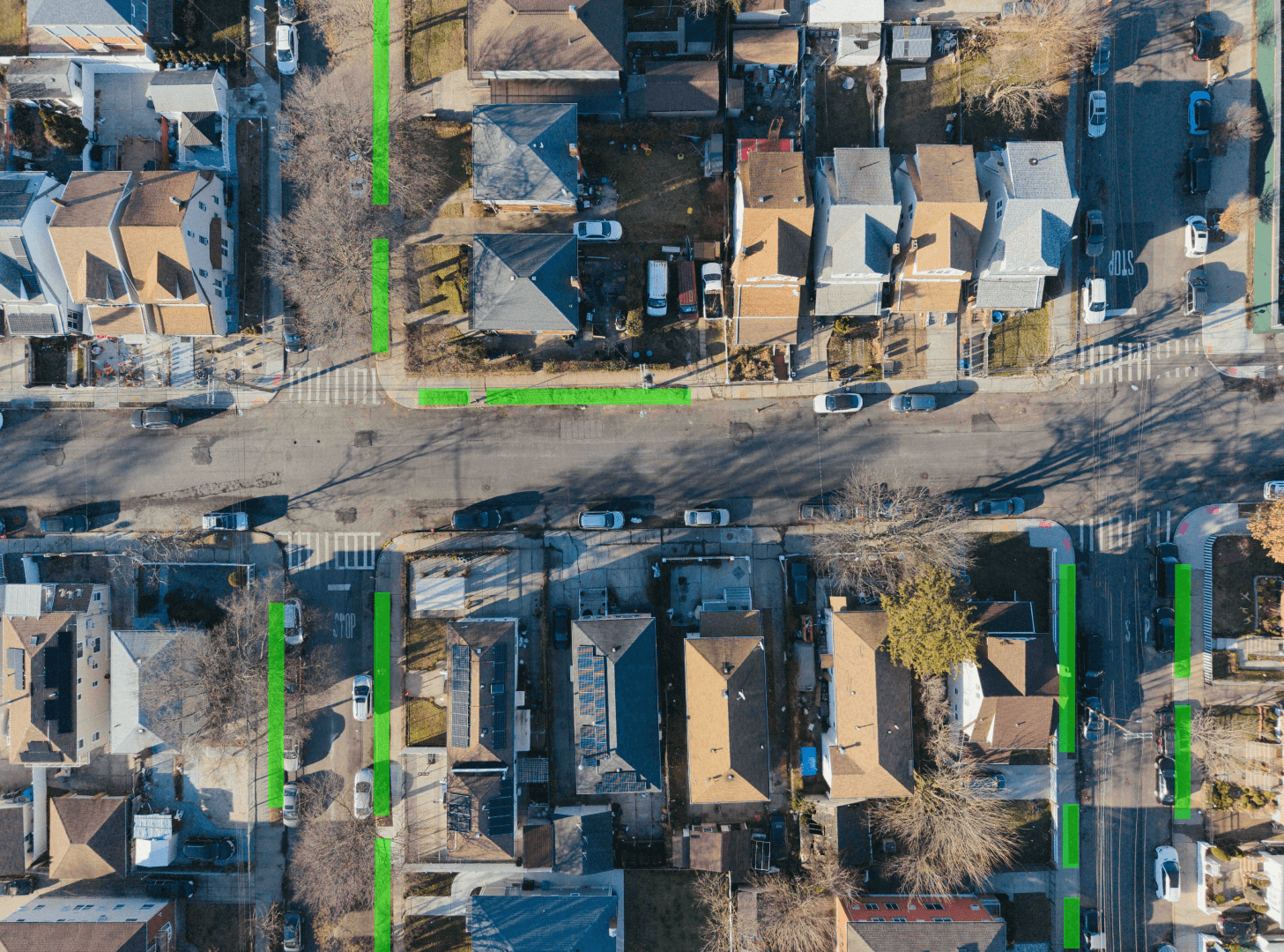
Our Microburst project aims to transform a series of neglected dirt sidewalk spaces affectionately known as "hellstrips" — think expanded tree pits without trees — into flood resilience infrastructure by improving their drainage potential and adding thirsty street trees and other plantings.
It is meant to be a repeatable initiative, applicable to any small-footprint site where improved hydrology, soil performance, and habitat structure have potential to make a difference — when it comes to flood exposure, air quality, shade, pollinator habitat and more.
A HYBRID APPROACH
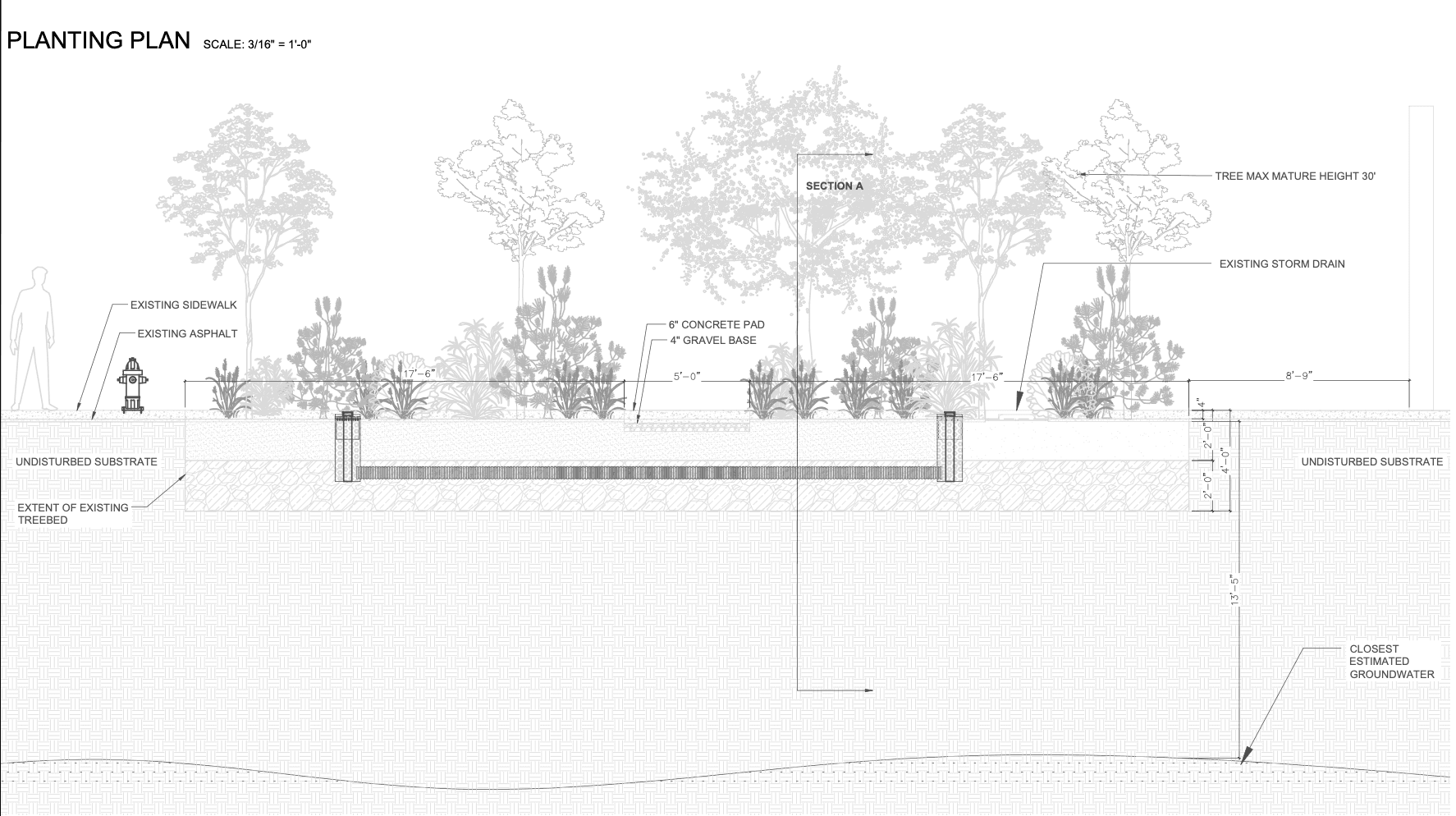
Microburst takes a hybrid approach to improving drainage and slowing runoff, addressing stormwater both at and below the surface. The approach includes,
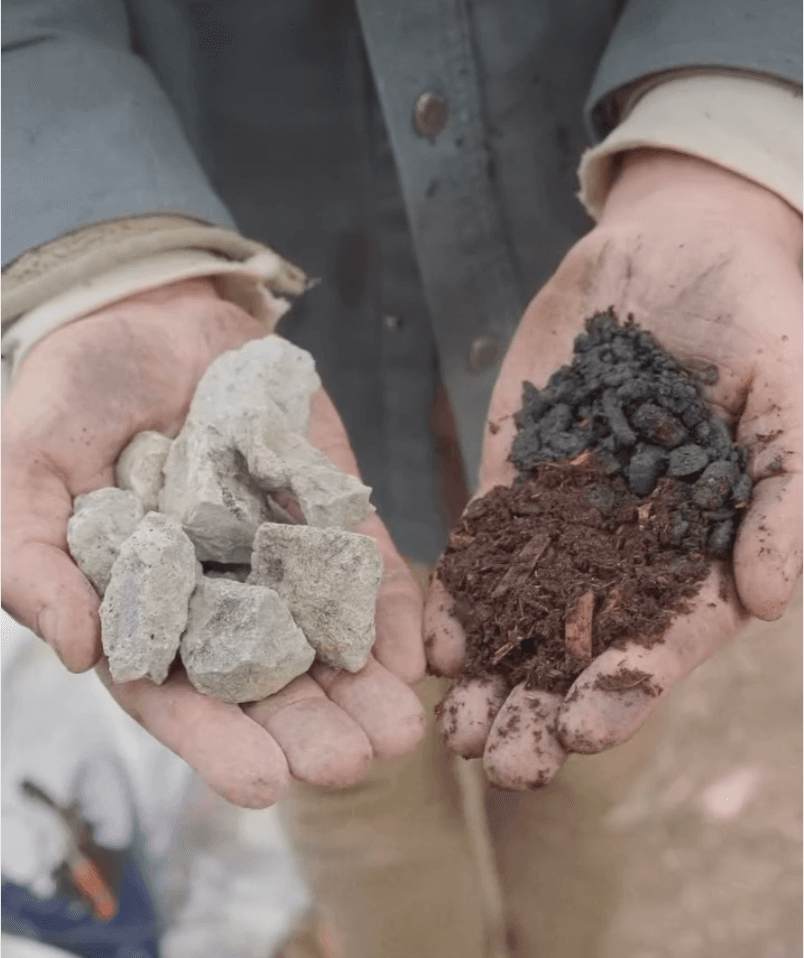
- Excavation and replacement of compacted, clay-heavy soils with structural soil — a combination of aggregate, compost, and biochar
- Establishment of layered, thirsty, low-maintenance plant ecosystems
In addition to contributing to the long-term flood resilience of the pilot neighborhood, the implementation of this Microburst approach is intended as proof of concept for the use of skeletal soil in similar applications across NYC.
IN THE MIX: BUILDING STRUCTURAL SOIL
Inspired by the Swedish Skeletal Soil System, which combines bio-active soil with aggregate for a nutrient-dense and well-drained mixture that is also tough enough to drive over, we created our own blend from locally sourced ingredients: recycled concrete aggregate, compost, and a magical substance called biochar.
For more on the mixture itself check out the reel below!